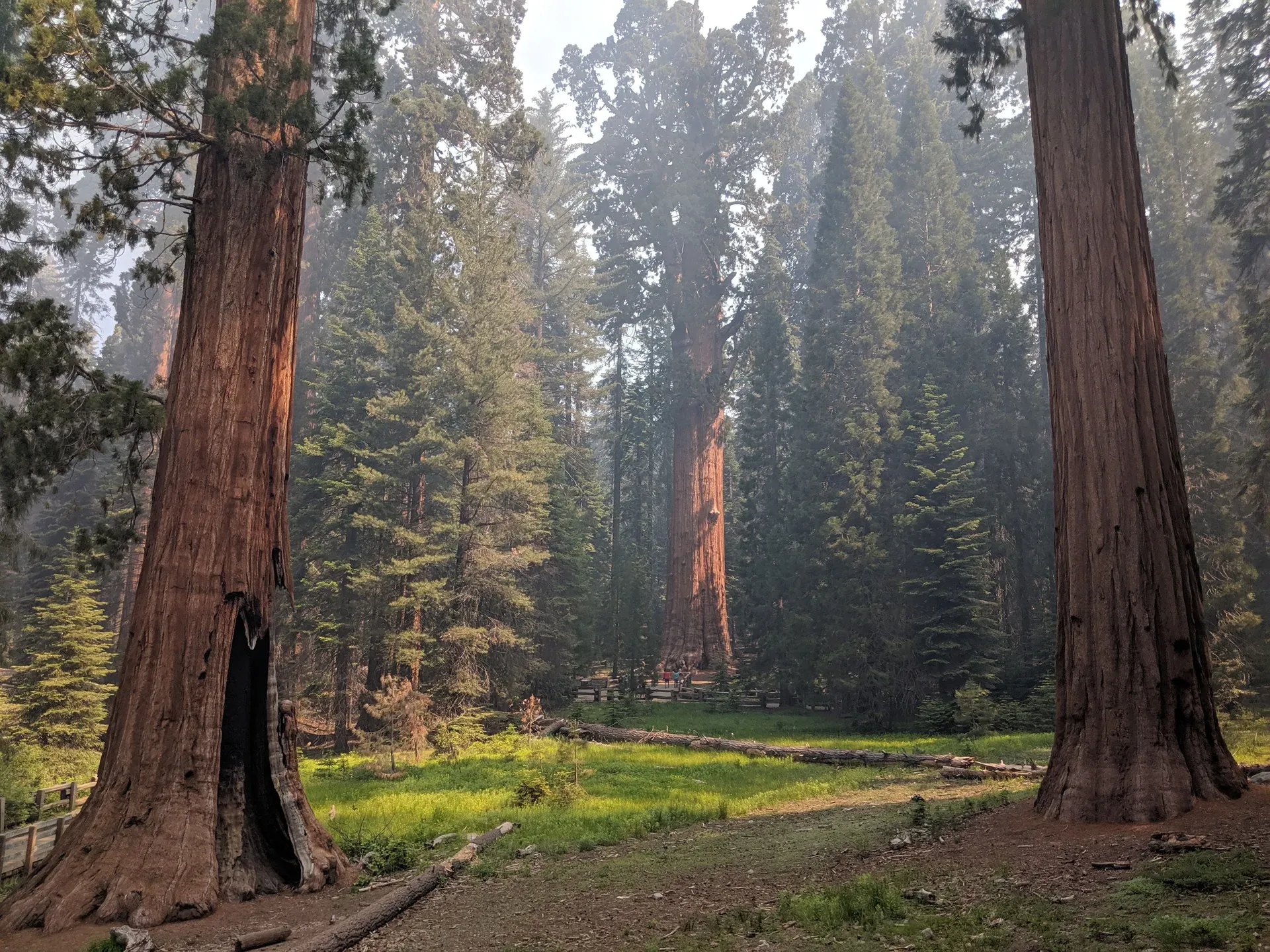
Walk the half-mile paved trail to the 274-foot General Sherman Tree, the largest tree on Earth by volume. Then climb 400 concrete steps up Moro Rock.
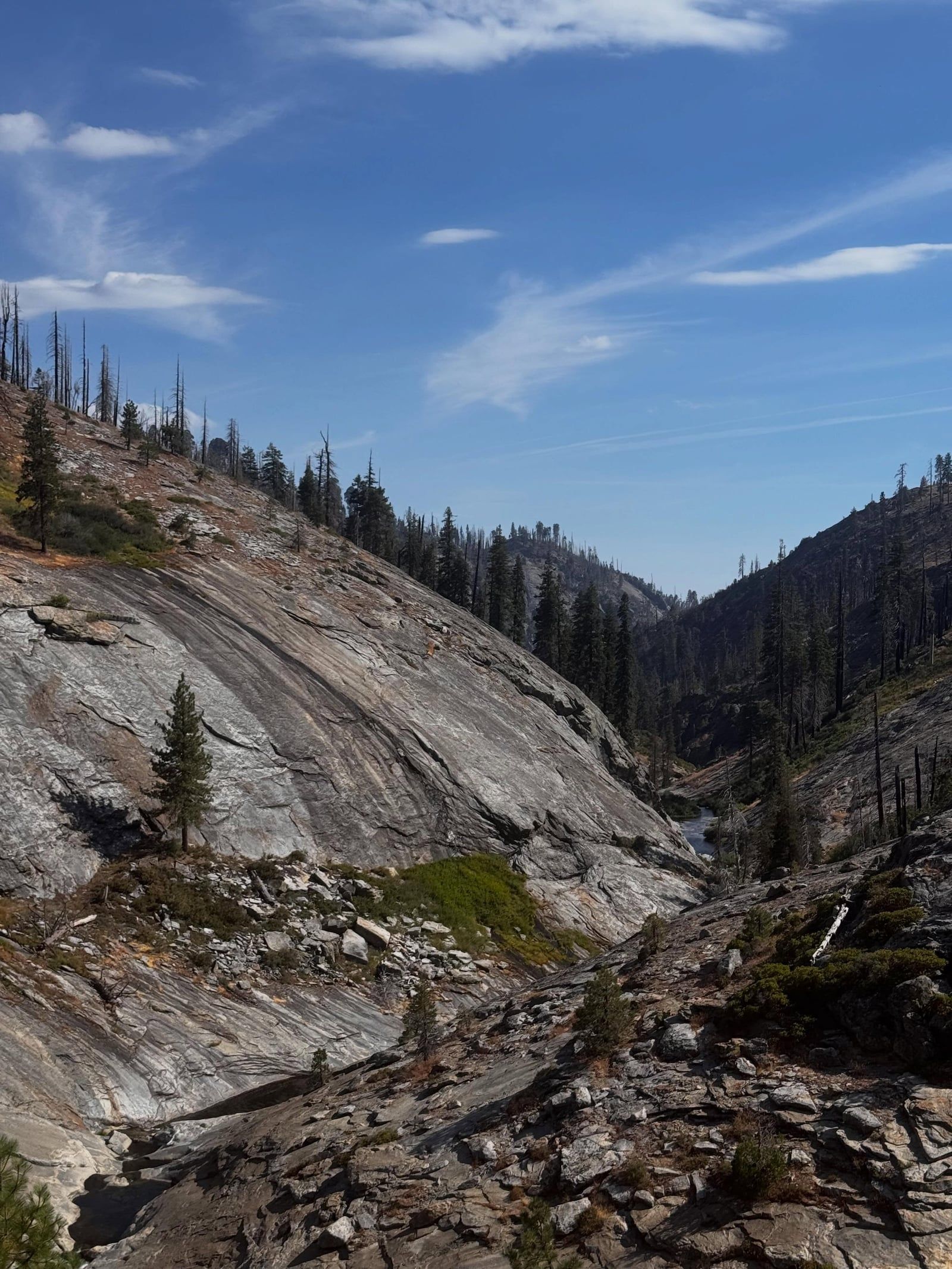
Find Guided ToursSequoia National Park sits in California's southern Sierra Nevada mountains. It protects groves of giant sequoias, the largest trees on Earth by volume. The most massive is the General Sherman Tree. It stands 274.9 feet tall and holds 52,508 cubic feet of wood. The park's terrain spans a massive elevation gradient, rising from 1,370-foot foothills to the 14,494-foot summit of Mount Whitney, the highest peak in the contiguous United States.
The landscape covers deep canyons, granite peaks, and marble caverns like Crystal Cave. Together with the adjacent Kings Canyon National Park, the jointly administered area covers 865,964 acres. They share 866 miles of trails—including segments of the Pacific Crest and John Muir routes. Backpackers use them to reach remote alpine lakes.
President Benjamin Harrison signed the legislation creating the park on September 25, 1890. That made it America's second national park, right after Yellowstone. But Sequoia claimed a different first. It's the original national park established specifically to protect a living organism, saving the giant sequoias from logging.
A week after Sequoia's creation, the government established the tiny General Grant National Park nearby. By 1940, that smaller park was abolished and its lands folded into the newly formed Kings Canyon National Park. They've been managed together since 1943. Sequoia itself expanded on July 3, 1926, taking in the Great Western Divide, Kern Canyon, and Mount Whitney. In 1976, UNESCO named the combined parks an International Biosphere Reserve.
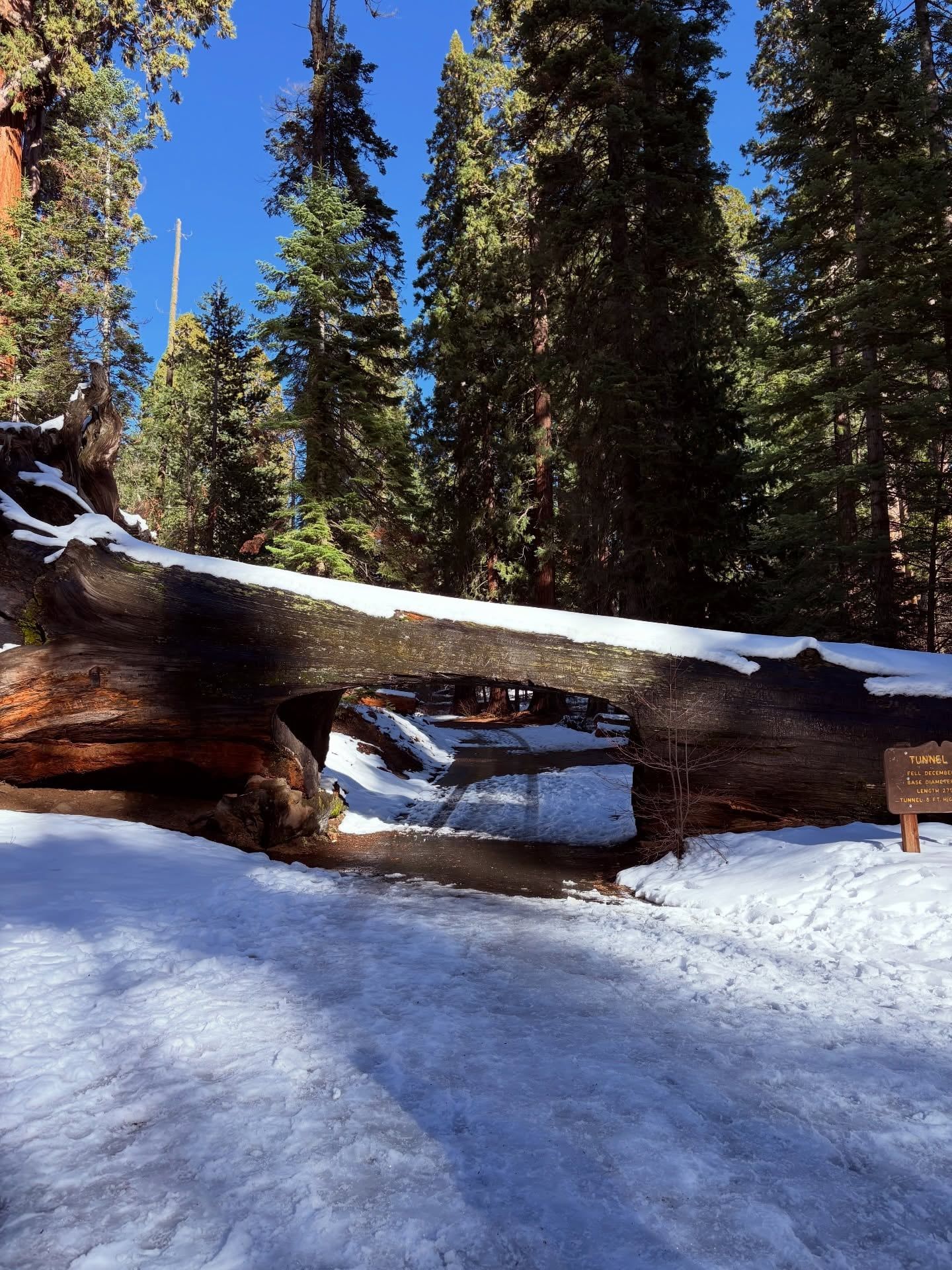
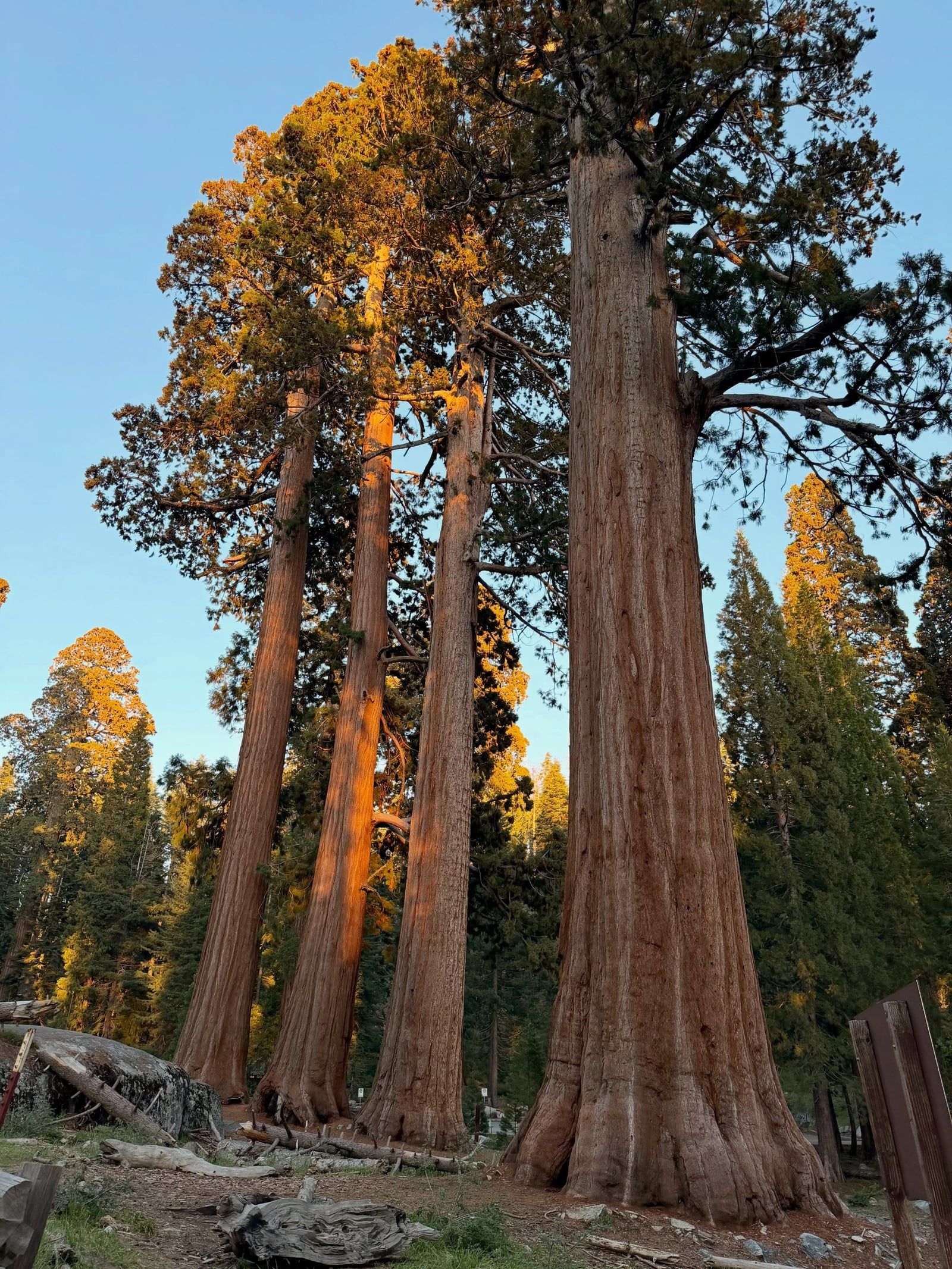
Discover the full history and cultural significance on our About page.
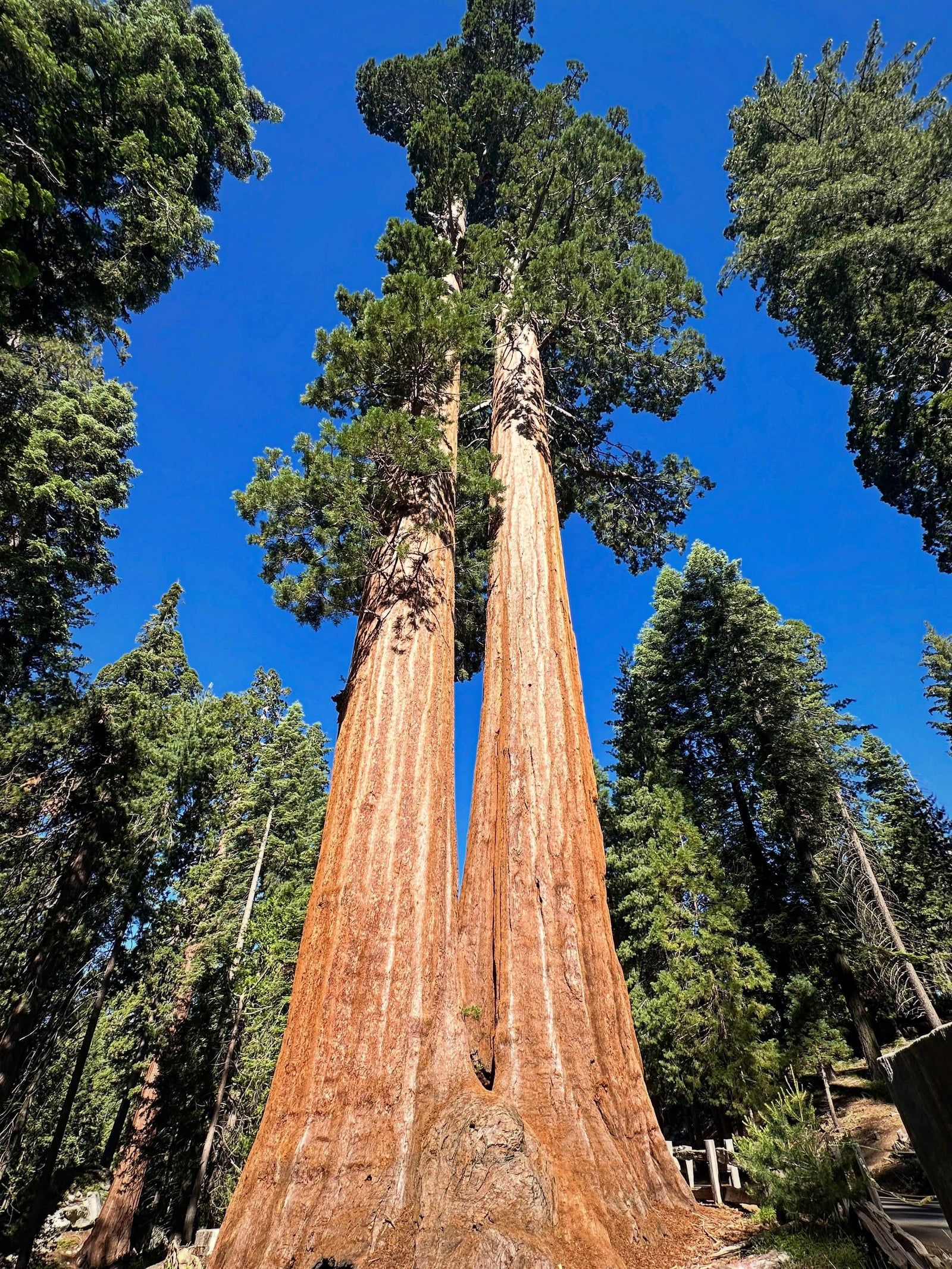
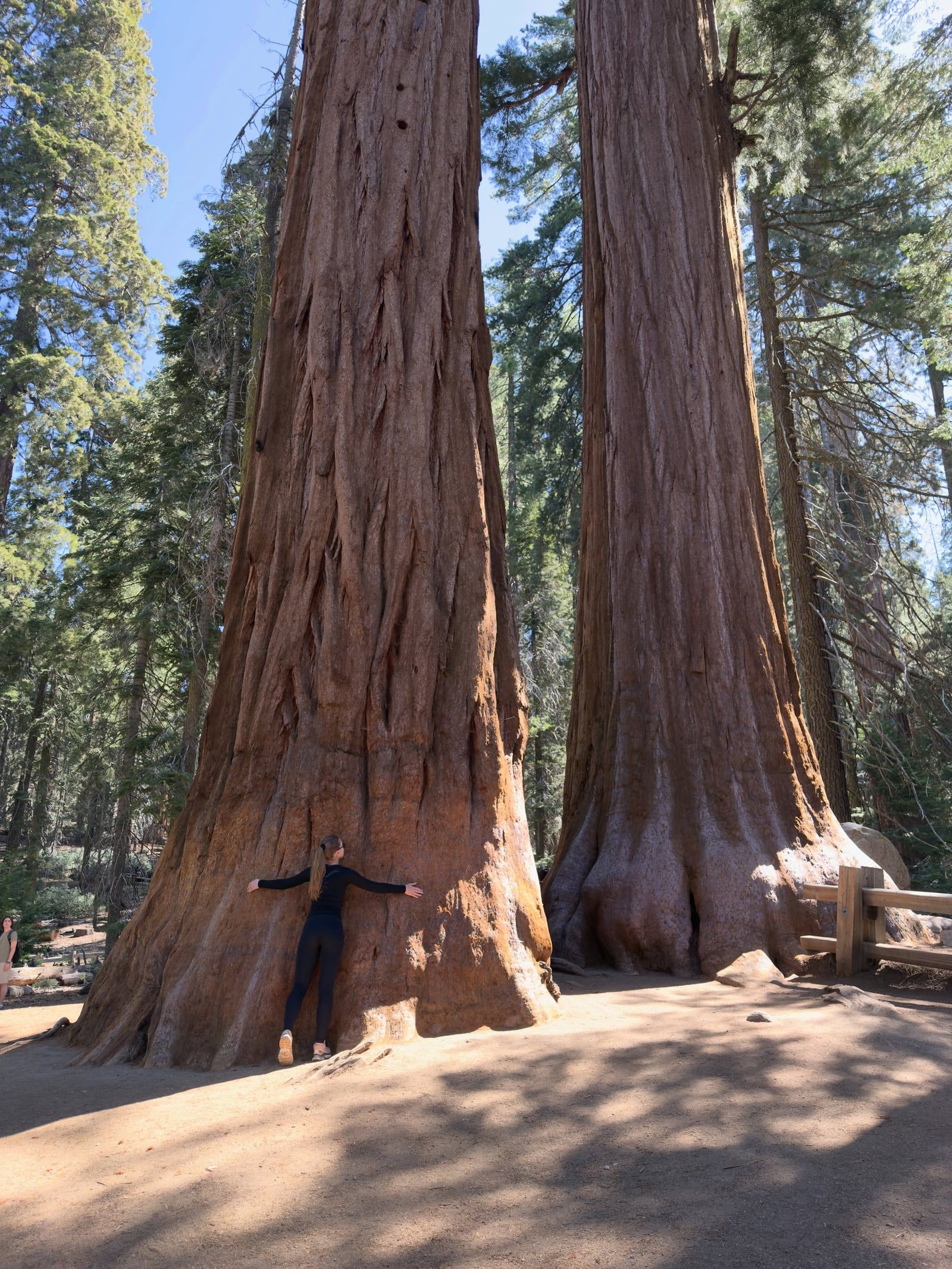
The General Sherman Tree stands 274.9 feet tall, holding 52,508 cubic feet of wood. It's the largest living tree on Earth by volume. A paved half-mile path loops around its base. From there, you can hike the two-mile Congress Trail to see more named giants like the President Tree.
Four hundred concrete steps cut directly into a granite dome lead you 6,725 feet up. The summit points you down into the Kaweah River canyon and across the Great Western Divide. Go early. Midday crowds pack the narrow stairway, and morning light softens the peaks.
A steep half-mile hike drops you down to Crystal Cave. Inside, the temperature sits at a constant 48 degrees. Ranger-led tours take about 50 minutes to wind past stalactites and stalagmites in the dark. You have to buy tickets in Three Rivers before driving up to the trailhead.
Sequoia holds 866 miles of trails, including long stretches of the Pacific Crest and John Muir routes. Grab a wilderness permit to walk past the crowded sequoia groves into remote alpine lakes. You'll need to reserve popular entry points in advance online or risk a walk-up wait.
Book 5-star private tours or offline audio drives starting at $11.99, all with free cancellation up to 24 hours before departure.
Swipe to see more
June through September provides the most reliable access to all park areas, including high-elevation spots like Mineral King. You get comfortable temperatures in the sequoia groves and full services, though you will share the trails with peak crowds.
Foothill trails offer pleasant hiking weather and fewer crowds. Higher elevations remain unpredictable with sudden snowstorms, and melting snow creates dangerously swift, cold river currents while some facilities stay closed.
This is the busiest season, providing reliable access to the entire park. Temperatures in the sequoia groves stay comfortable, and all high-elevation roads, shuttle systems, and facilities operate fully.
Crowds thin out while foothill temperatures stay comfortable for late-season hiking. High-elevation facilities and roads, including those leading to Mineral King and Cedar Grove, shut down as winter approaches.
Heavy snow blocks access to high-elevation attractions and entirely closes the Mineral King and Cedar Grove areas. Tire chains are often required on any open park roads without warning.
The park stays open 24 hours a day, 365 days a year. Winter storms occasionally close roads until plows clear them. High-elevation areas like Mineral King and Cedar Grove shut down entirely from December through spring. Visitor center hours vary by season. Expect the Giant Forest Museum and Foothills Visitor Center to open daily from 9 a.m. to 4:30 p.m. Kings Canyon Visitor Center runs the same schedule but closes on Tuesdays.
| Category | Price |
|---|---|
| Private Vehicle (1-7 days) | $35.00 |
| Motorcycle (up to 2 bikes, 4 passengers) | $30.00 |
| Per Person (walking/bicycle, age 16+) | $20.00 |
| Children under 16 | Free |
| Annual Park Pass | $70.00 |
| Non-US Resident Surcharge (per person 16+) | $100.00 |
| America the Beautiful Annual Pass (US Residents) | $80.00 |
| America the Beautiful Annual Pass (Non-Residents) | $250.00 |
| Senior Annual Pass (62+) | $20.00 |
| Senior Lifetime Pass (62+) | $80.00 |
| Military, Access, and 4th Grade Passes | Free |
| Commercial Mini-bus (16-25 seats) | $100.00 |
| Commercial Motor Coach (26+ seats) | $200.00 |
Entrance stations do not accept cash. You must pay with a credit card, debit card, or mobile payment at the gate. If you only have bills, buy your pass beforehand at the Foothills or Kings Canyon Visitor Centers. One pass covers entry to both Sequoia and Kings Canyon National Parks. The park waives entrance fees on specific days in 2026: February 16, May 25, June 14, July 3-5, August 25, September 17, October 27, and November 11.
For complete schedules and ticket prices, visit our Hours & Fees page.
Driving is the most straightforward way in, with Highway 198 leading directly to the main gate. If you fly or take the train, you'll need to rent a car or catch the summer shuttle from Visalia.
📍 Ash Mountain Entrance, CA-198 E
The drive north from Los Angeles covers 225 miles. Hop on Interstate 5 North, then transition to Highway 99 North toward Bakersfield and Fresno. Take exit 96 onto Highway 198 East heading toward Visalia. This route leads straight to the Ash Mountain Entrance. You won't hit any toll roads along the way, though gas prices fluctuate.
Fresno Yosemite International is the closest major commercial airport to the park. It sits about 60 miles from the main gate. Once you land, rent a car and drive south on Highway 99, then east on Highway 198. You can also take Highway 180 directly to the Kings Canyon entrance instead. Rental rates depend on the season and vehicle type.
Visalia Municipal Airport is just 36 miles away. From the terminal, catch a local bus to the Visalia Transit Center. Between late May and early September, the Sequoia Shuttle runs directly from this center into the park. Once inside, you can rely on the free internal park shuttles to get around. This setup lets you skip the steep, winding mountain drive completely.
Amtrak runs trains to stations in both Hanford and Fresno. Hanford is the closer stop for making a quick connection. From the station, Amtrak provides a dedicated bus link straight to the Visalia Transit Center. During the summer months, you can transfer here to the Sequoia Shuttle to reach the park. Expect to pay the standard train fare plus the connecting shuttle ticket.
For detailed transport options and routes, visit our Directions page.
Sequoia and Kings Canyon don't accept cash at their entrance gates. You'll need to pay the $35 private vehicle fee with a credit, debit, or digital wallet. If you only have bills, stop at the Foothills or Kings Canyon Visitor Centers first. Otherwise, buy your pass online.
There aren't any gas stations inside Sequoia National Park. The only seasonal exception is Stony Creek Village. Top off your tank in Three Rivers or Dunlap before driving up the mountain. Running out of fuel on the steep, twisting grades of the Generals Highway will ruin your day.
Parking lots near the General Sherman Tree and Moro Rock fill up fast on summer weekends. Leave your car at the Giant Forest Museum or Lodgepole. Four color-coded shuttle routes loop through the main sights. The buses are wheelchair accessible and completely free to ride.
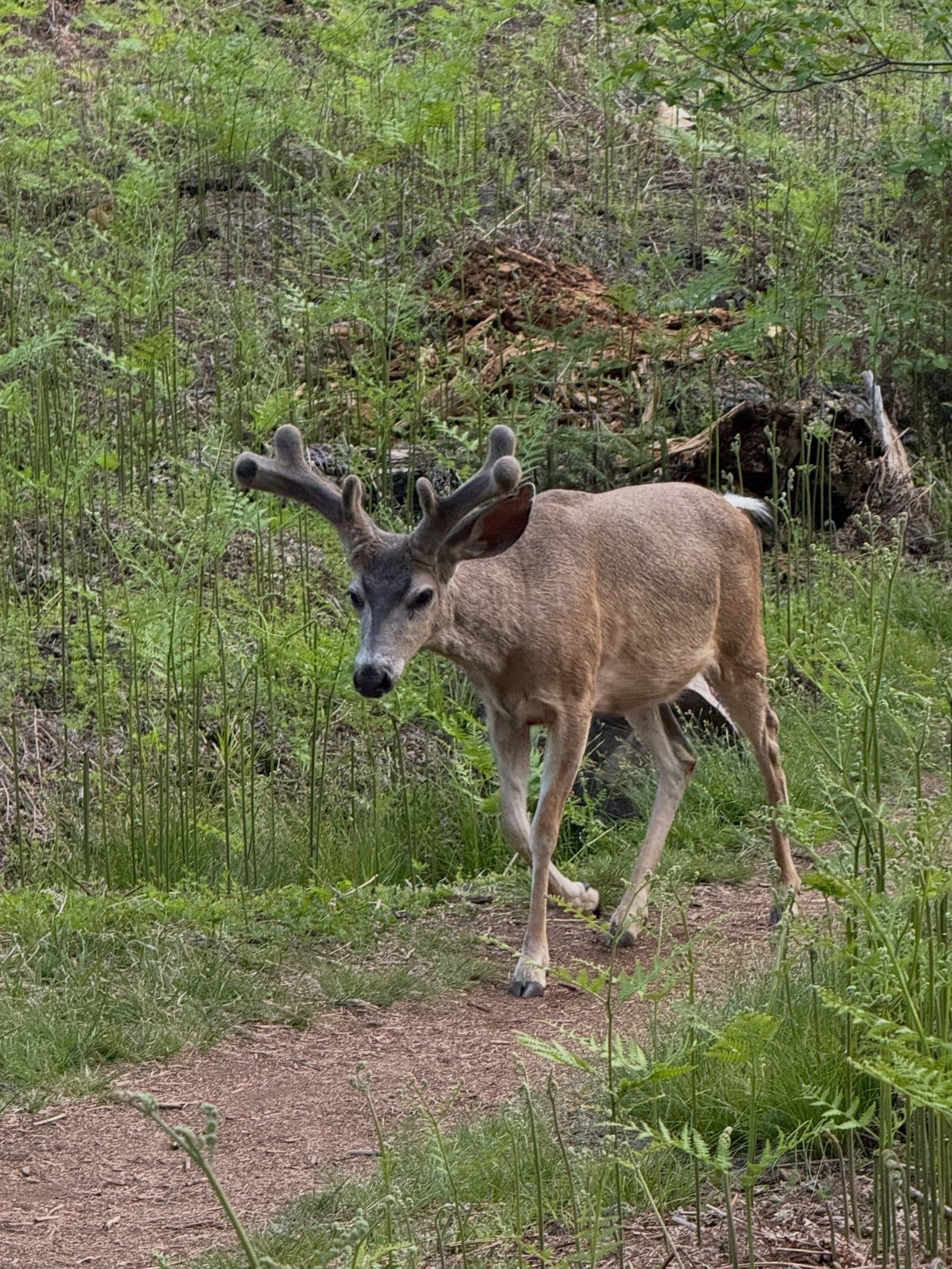
Black bears live throughout the park and frequently patrol parking areas. You've got to store all food and scented items in the metal bear-proof lockers provided at trailheads and campsites. Leaving snacks in your car can result in a fine. Keep a distance of two city buses if you spot one.
You can't purchase tickets at the Crystal Cave entrance. Buy them in advance in Three Rivers before heading up the mountain. The 50-minute ranger-led tour requires a steep half-mile hike down from the parking lot. It stays a constant 48 degrees underground, so bring a jacket.
The park climbs from 1,370 feet in the foothills to high alpine zones. Hiking above 5,000 feet can trigger altitude sickness, causing dizziness and shortness of breath. Ascend slowly and drink plenty of water. Pack layers, since temperatures drop sharply once you reach the sequoia groves.
Kings Canyon shares a border and management with Sequoia, making it an easy addition. You get the General Grant Tree—the world's second-largest—and steep granite cliffs dropping to the South Fork Kings River.
This national forest area protects sequoias just outside the park boundary. Stop at Hume Lake to swim, rent a boat, or grab lunch at the dining hall. Kids usually appreciate the break.
Yosemite sits a few hours north along the Sierra Nevada. The park delivers massive granite walls like El Capitan and Half Dome, plus its own giant sequoias in Mariposa Grove.
Read what travelers share about their experience visiting Sequoia National Park — from practical tips to personal highlights.
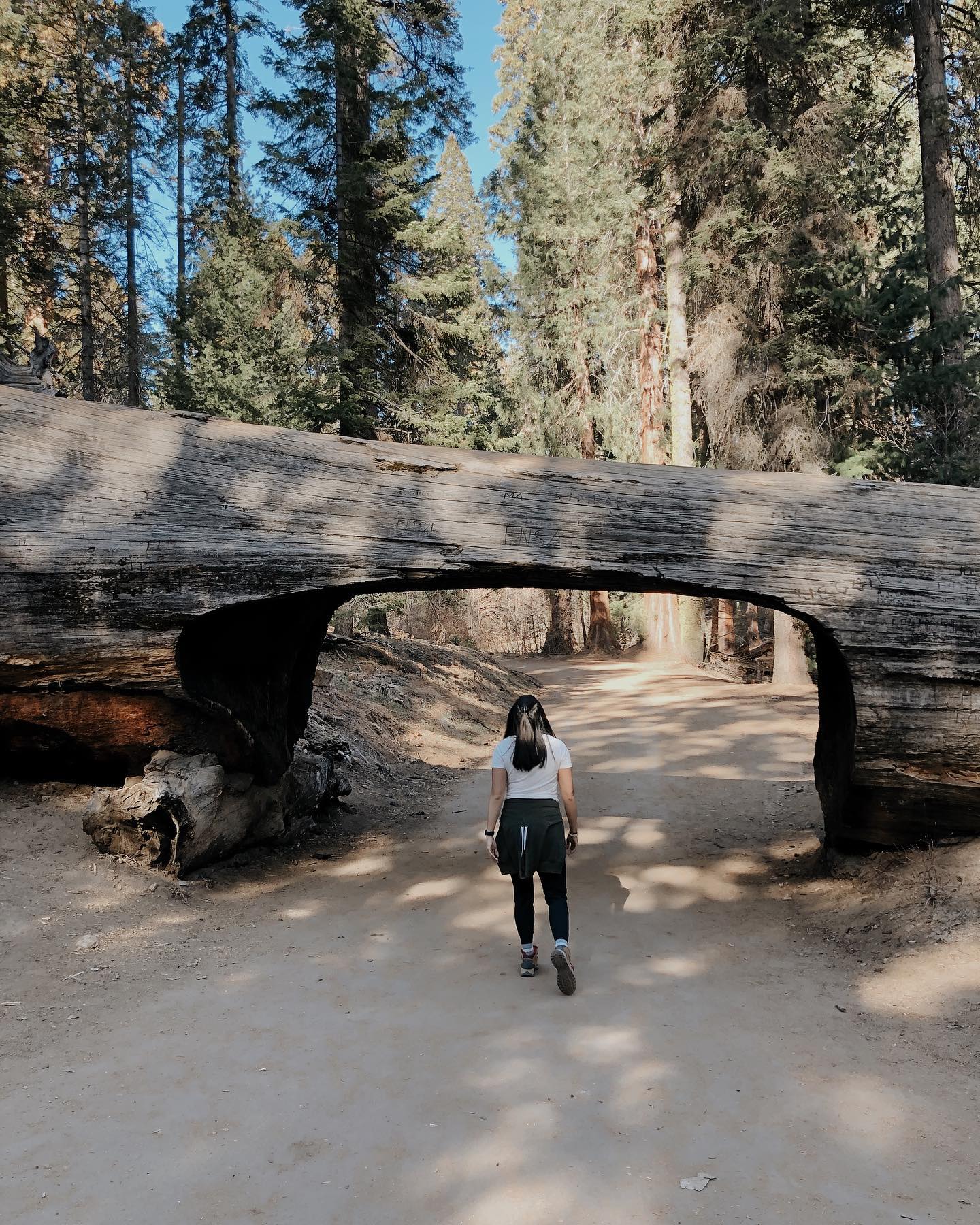
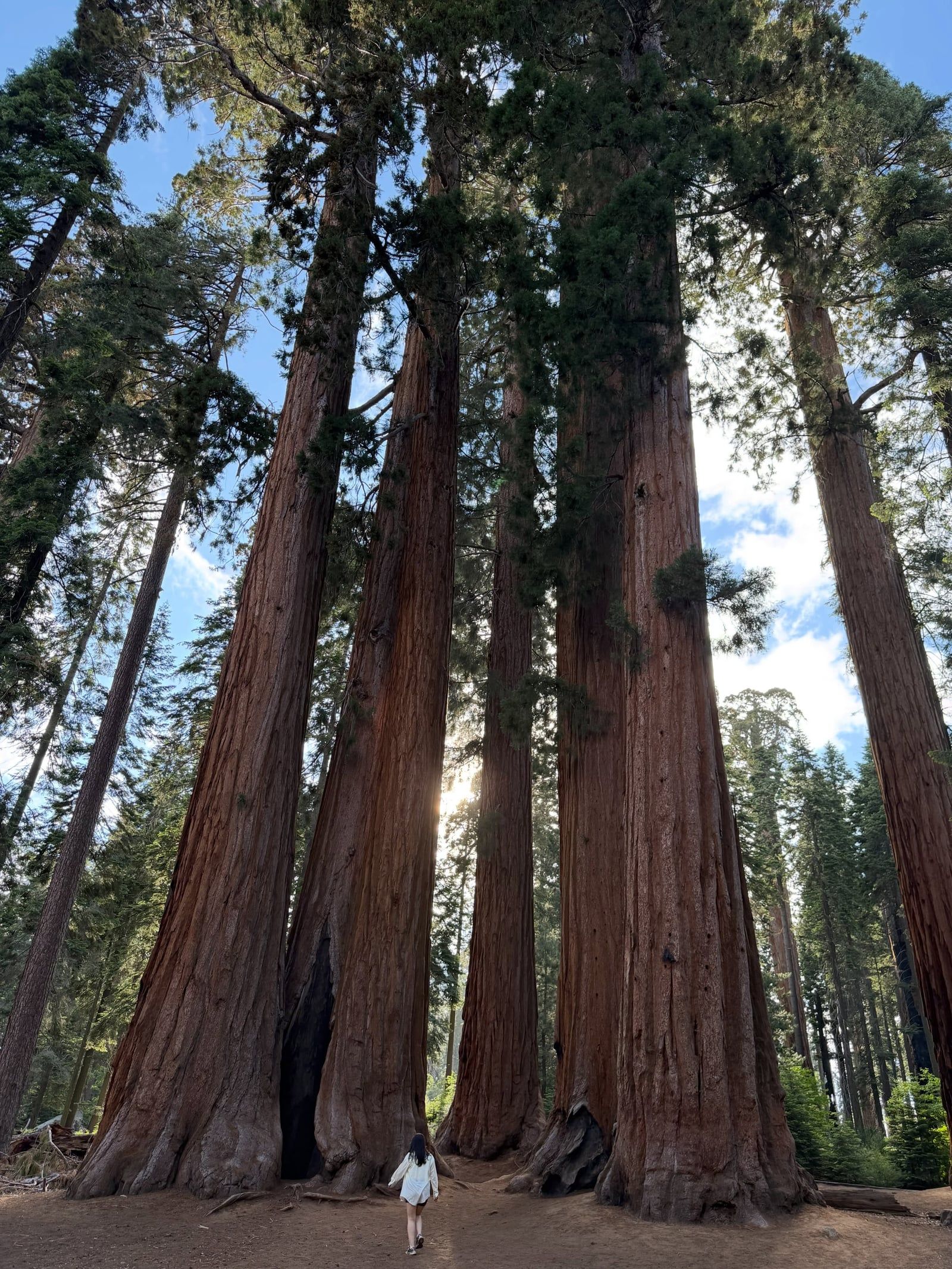
Planning advice, comparisons, and practical tips.
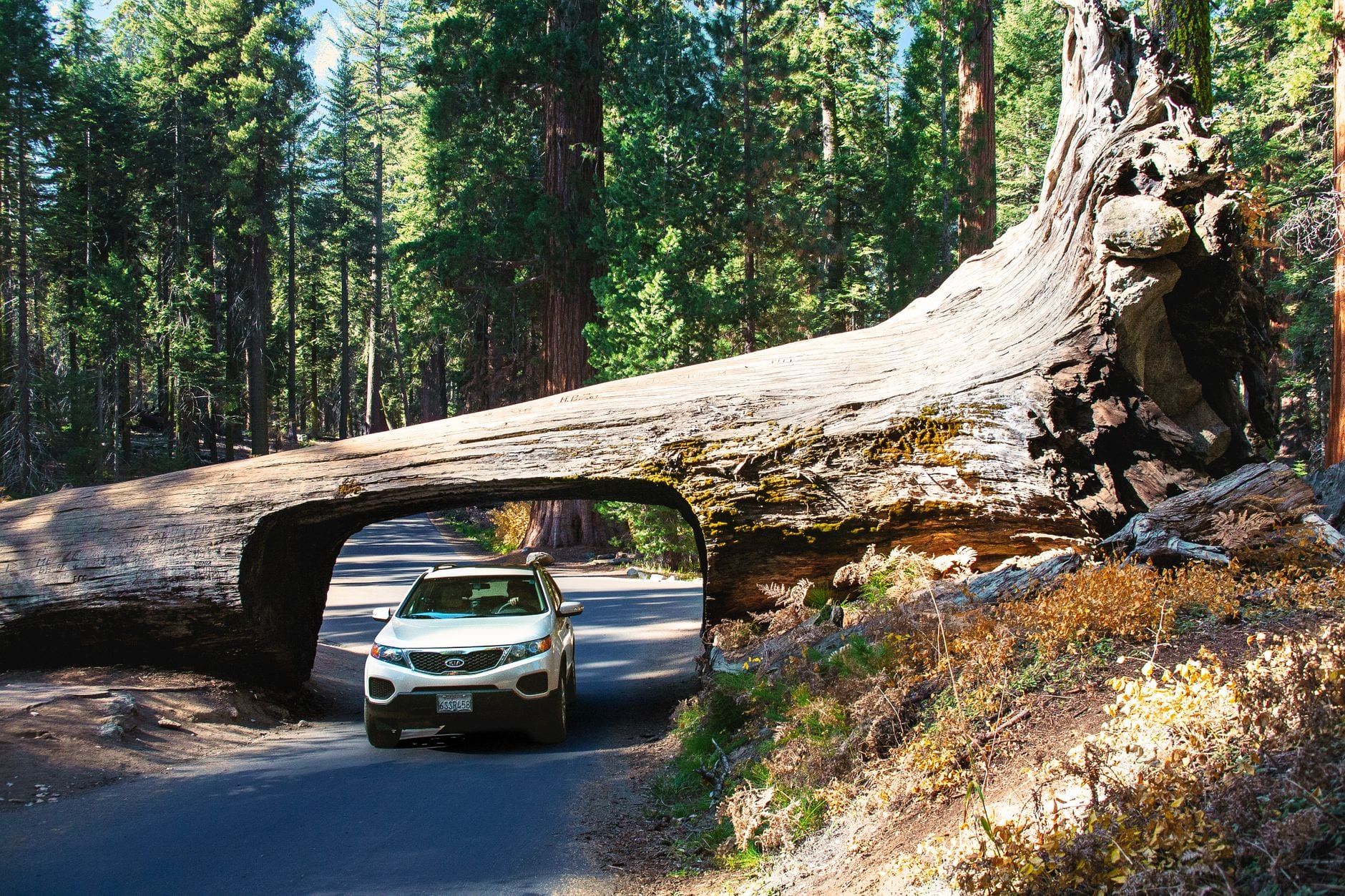
Yes — Sequoia National Park in winter is worth it, provided you go in with the right expectations. The Giant Forest under fresh snow is the park at…
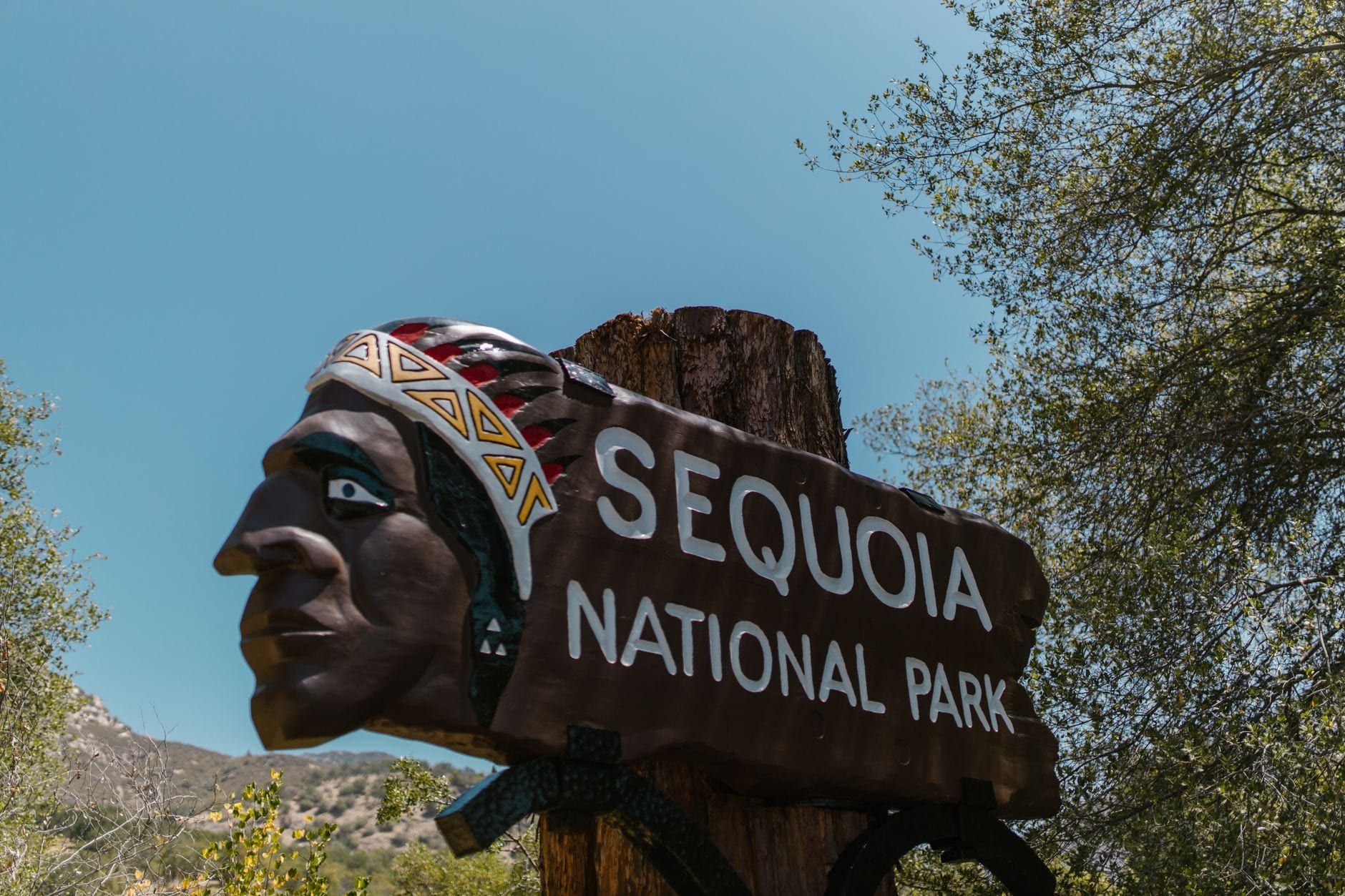
The drive from San Francisco to Sequoia National Park takes roughly 5 to 6 hours and covers about 280 miles, crossing the Bay Area, the flat Central…
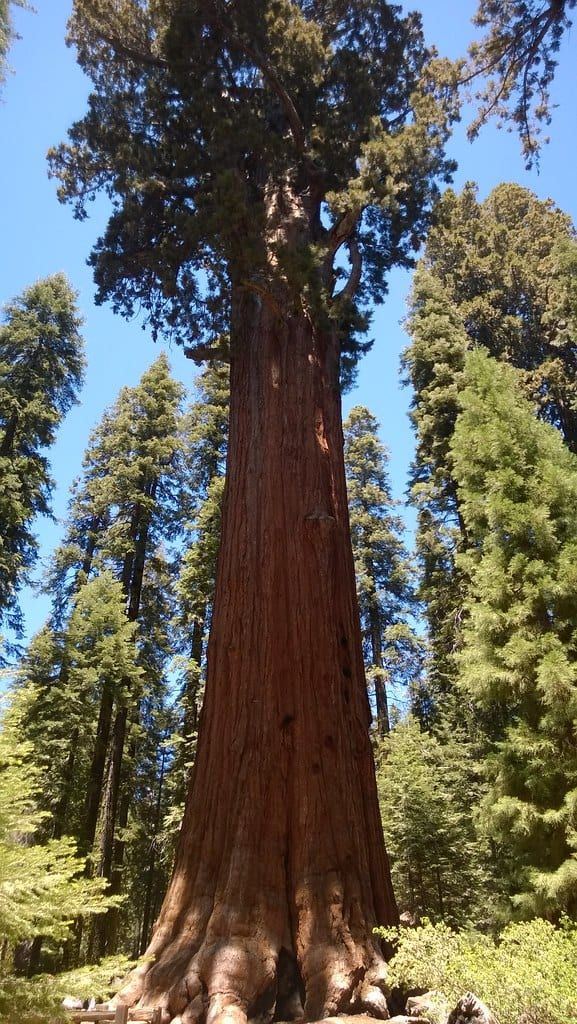
Most of what people picture when they think of Sequoia — General Sherman, the Congress Trail, Moro Rock at sunset — fits into one long, well-timed…
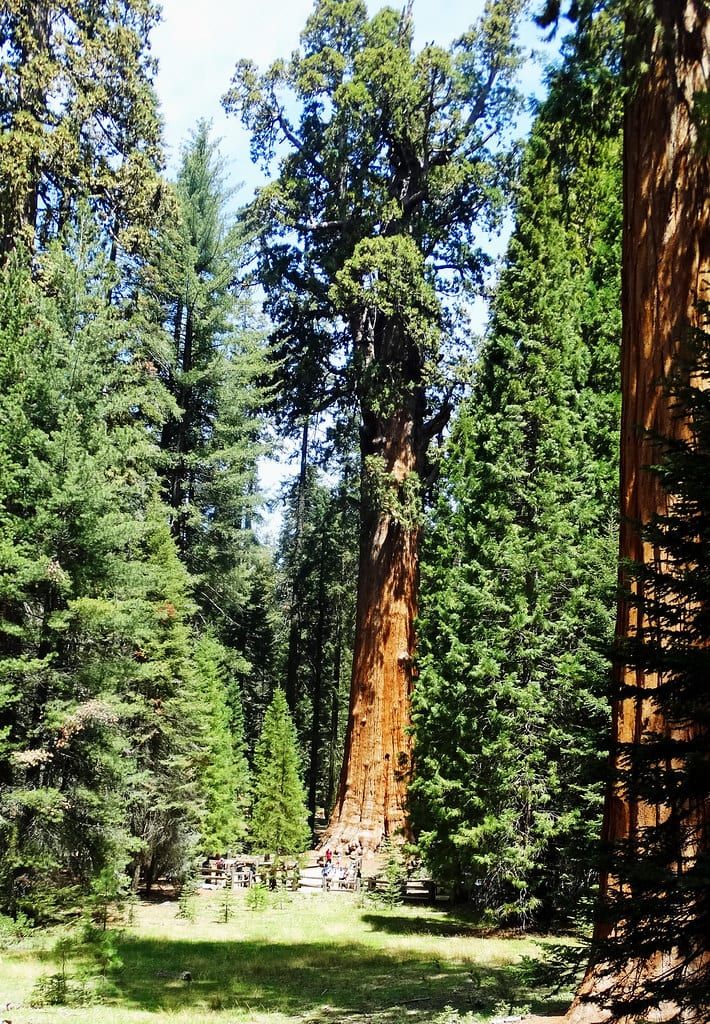
They are two different national parks — and for most of the year you should stop agonizing and visit both. Sequoia and Kings Canyon share a border in…
A standard private vehicle pass costs $35 and covers everyone inside for up to seven days. The entrance stations do not accept cash. Bring a credit or debit card, or buy your pass online beforehand.
The park stays open 24 hours a day, 365 days a year. Visitor centers like Foothills and Giant Forest Museum usually run from 9 a.m. to 4:30 p.m. Winter storms do occasionally force sudden road closures, so check conditions before driving up.
Expect a four-hour drive covering 225 miles to reach the Ash Mountain Entrance. You take I-5 North to CA-99 North, then hop on CA-198 East straight to the park. Avoid bringing large RVs this way, as the Generals Highway has tight hairpin turns.
Yes. A paved, 500-foot trail leads directly to the tree and features accessible exhibits. You can also borrow a free manual wheelchair on a first-come, first-served basis from the Giant Forest Museum or Lodgepole Visitor Center.
All food and scented items must go into provided bear-proof metal boxes or canisters. Black bears frequently roam the park and will break into cars for unsecured food. If you spot one, stay back at least the length of two city buses.
June through September provides the most reliable access to the whole park, including the sequoia groves. Winter brings heavy snow that completely shuts down higher-elevation spots like Mineral King and Cedar Grove. April, May, and October offer quieter trails, but you risk sudden snowstorms and closed facilities.
Yes, all overnight backcountry travel requires a wilderness permit. You book these on recreation.gov in advance or grab a walk-up permit at a trailhead ranger station. They cost $15 per permit plus $5 per person.
You must buy tickets in advance in the town of Three Rivers. They do not sell them at the cave entrance. The ranger-led tour takes about 50 minutes and explores a 48-degree underground cavern, but getting there requires a steep 0.5-mile walk down from the parking lot.
Browse verified tours with free cancellation and instant confirmation.
Find Tours


