Yes — Sequoia National Park in winter is worth it, provided you go in with the right expectations. The Giant Forest under fresh snow is the park at its most photogenic, the trails are close to empty, and rooms in Three Rivers cost a fraction of their summer rates. What you trade away is convenience: the highway between Sequoia and Kings Canyon is gated shut, dining and staffing shrink to a minimum, and every plan depends on whether the plows have been out that morning.
Snow is not guaranteed on any given date, either. Some winters the groves are white by Thanksgiving; other years the real snow doesn't arrive until late December. Build flexibility into your dates and you'll likely come home with the best photographs of your life at the General Sherman Tree.
Is Sequoia National Park Worth Visiting in Winter?
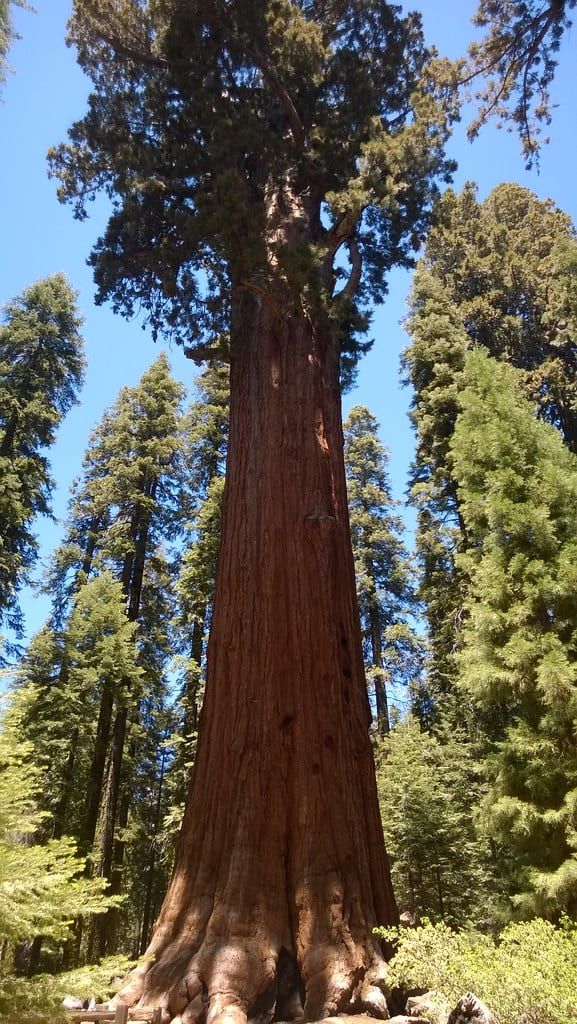
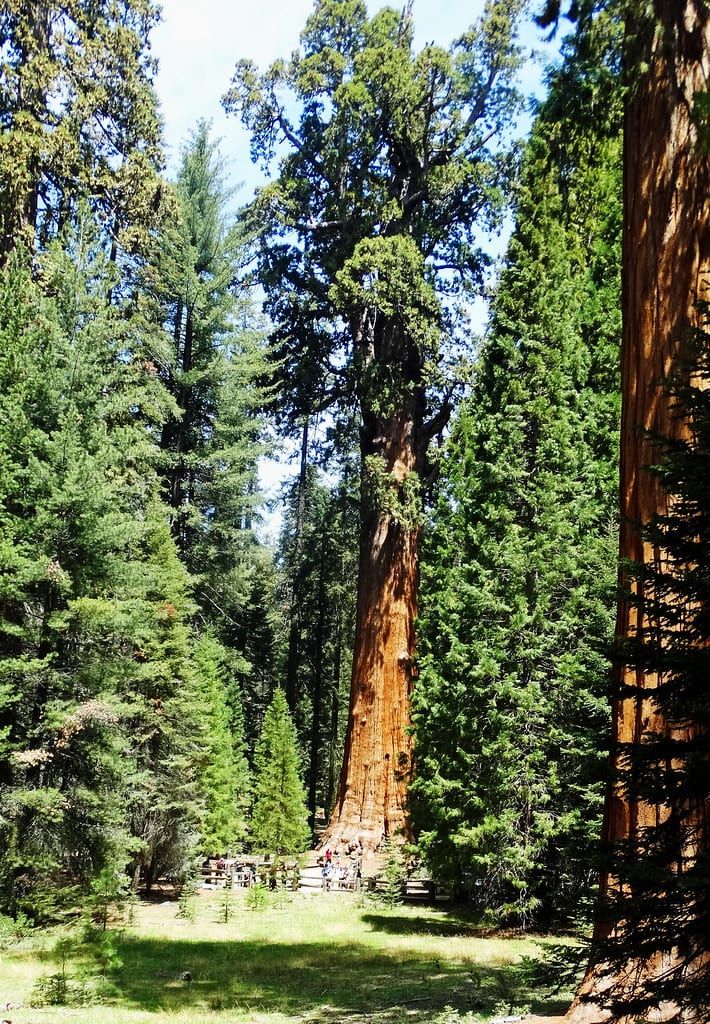
For the right traveler, yes — and that traveler is flexible about timing and comfortable on mountain roads. The crowds tell the story: Sequoia and Kings Canyon together logged just over two million recreation visits in 2023, and the overwhelming majority of that traffic arrives between June and September. Show up on a Tuesday in February and you can stand at the base of the General Sherman Tree — the largest tree on Earth by volume, 274.9 feet of it — with a handful of other people. In July, you queue for a parking spot.
Winter also trades away things you'd miss if you didn't know. Road closures cut off part of the park, food options are thin, and spontaneous plans die fast when a storm rolls in. December through March, average daily temperatures at the grove elevation run from about 20°F to 40°F with roughly 37 inches of snow across the season — you're signing up for a cold-weather trip, not a mild one.
So go in winter if you want snow-draped sequoias, quiet trails and cheap lodging, and you can shift your dates by a day or two to chase a weather window. Pick another season if chains, ice and 25 mph switchbacks sound miserable rather than atmospheric. And if you're weighing all four seasons, our season-by-season guide breaks down the trade-offs month by month.
Sequoia Winter Weather: What to Expect Month by Month
Winter in Sequoia is really two winters at once. At the Ash Mountain entrance (about 1,700 feet), winter means rain, green hills and a river running fast — conditions that feel like early spring. Drive 45 minutes up the Generals Highway to the Giant Forest at roughly 6,000 feet and you're in full snow season. Don't be fooled by a snow-free entrance; the groves are 4,000 vertical feet higher and a different climate.
These averages are for the Giant Forest elevation, where you'll spend your day:
| Month | Avg high / low | What it's actually like |
|---|---|---|
| November | 43°F / 23°F | Shoulder month — snow possible, not reliable; quietest trails of the year |
| December | 36°F / 17°F | Snow builds through the month; holiday crowds at the Grant Grove tree |
| January | 37°F / 18°F | Snowiest, coldest month; best odds of fresh powder |
| February | 36°F / 16°F | Deep, settled snowpack; icy patches on packed trails |
| March | 42°F / 19°F | Late-season storms still hit; snow lingers all month |
For fresh snow on the sequoias, January through early April is the window with the best odds. But conditions can flip from fresh powder to glare ice within 24 hours, so check the forecast the day before and the morning of. December is the wildcard: some years deliver a full snow-globe scene by Thanksgiving week, others nothing but cold mud until Christmas. The compensation is the season itself — Grant Grove's General Grant Tree is the Nation's Christmas Tree, and that tradition draws families all month.
What's Open and Closed in Sequoia in Winter
The reliable winter route is the Ash Mountain Entrance near Three Rivers, up the Generals Highway to the Giant Forest. The stretch of the Generals Highway between Sequoia and Kings Canyon is gated closed every winter, so there is no driving straight from the Sherman Tree to Grant Grove — plan around it. The Ash Mountain–Giant Forest section stays open but can close temporarily during storms until plows clear it.
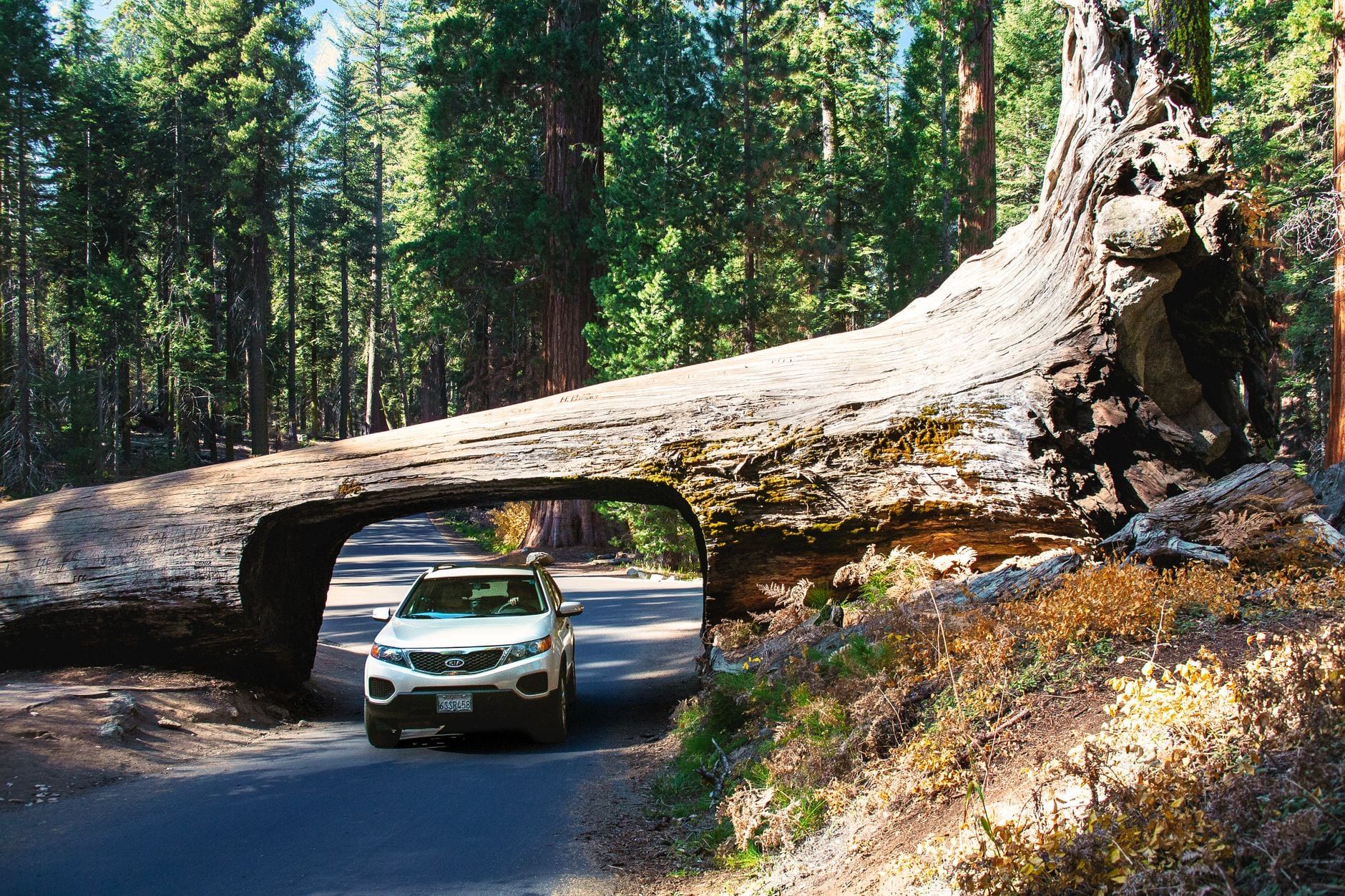
Crescent Meadow Road closes to cars in winter and becomes the best pedestrian route in the park: a snow-covered lane you can walk, snowshoe or ski past Tunnel Log toward Moro Rock with no traffic at all. Parking is genuinely easier than summer — the big General Sherman lot closes, but the Giant Forest Museum lot and the Wolverton lot stay open, plus a small winter trailhead lot at the Sherman Tree itself.
Services thin out hard. The Giant Forest Museum generally opens daily, around 9 a.m. to 4:30 p.m., though hours can shift with staffing — verify on the current hours and fees page before you go. Park shuttles run only on holiday weekends in winter, so assume you're doing all your own driving. Entry is $35 per vehicle, valid 1–7 days, and entrance stations take card or mobile payment only — no cash.
There is little to no cell service anywhere in the park, and fewer rangers on duty than in summer. Download offline maps before you leave Three Rivers, and tell someone your plan for the day — where you're parking and when you expect to be back down the hill.
Winter Driving and Tire Chain Rules
Chain controls are the make-or-break detail of a winter Sequoia trip, and California enforces them strictly. When controls are active, the posted limit drops to 25 mph regardless of what the signs normally say. There are three levels, and you'll see them on roadside signs as R1, R2 or R3.
R1 requires chains except on vehicles with snow-tread tires on the drive wheels. R2 requires chains except on AWD or 4WD vehicles with snow-tread tires on all four wheels. R3 requires chains on every vehicle, no exceptions — though R3 is rare, because by then the road usually closes entirely. The part that catches people: under California law, every vehicle entering a chain-control area, 4WD and AWD included, must carry chains. Keep a set in the trunk from November through March even when the forecast looks clear, because conditions on the highway change multiple times a day.
You can rent chains near the parks for roughly $40–65 a day, or buy a set for $50–200; shops in Three Rivers handle both. One caveat for rental cars: many rental contracts prohibit installing chains on their vehicles, which is an expensive surprise at a checkpoint. If you're renting, book an AWD or 4WD vehicle — under R2 you can usually pass without mounting chains, as long as you're carrying them.
Practice installing your chains in a dry parking lot before you need them. A chain-up in a snowstorm on the shoulder of the Generals Highway, with traffic and gloves you can't feel, is the worst possible classroom.
Fuel is its own problem: no gas is sold inside the park, and the emergency fuel at Wuksachi Lodge and Grant Grove Market sells at painful prices. Fill up in Three Rivers. And if a storm is forecast for your driving day, reschedule — tow trucks generally do not enter the parks during an active storm, so a stuck vehicle can wait a day or more for extraction, and towing out of the mountains is very expensive.
The Best Things to Do in Sequoia in Winter
Winter changes what each trail is like underfoot, so match the route to the gear you brought. The walks below are ordered roughly as you'd do them in a day, and they cover everything most winter visitors come for. For the full list of park activities in other seasons, see our complete things-to-do guide.
General Sherman Tree
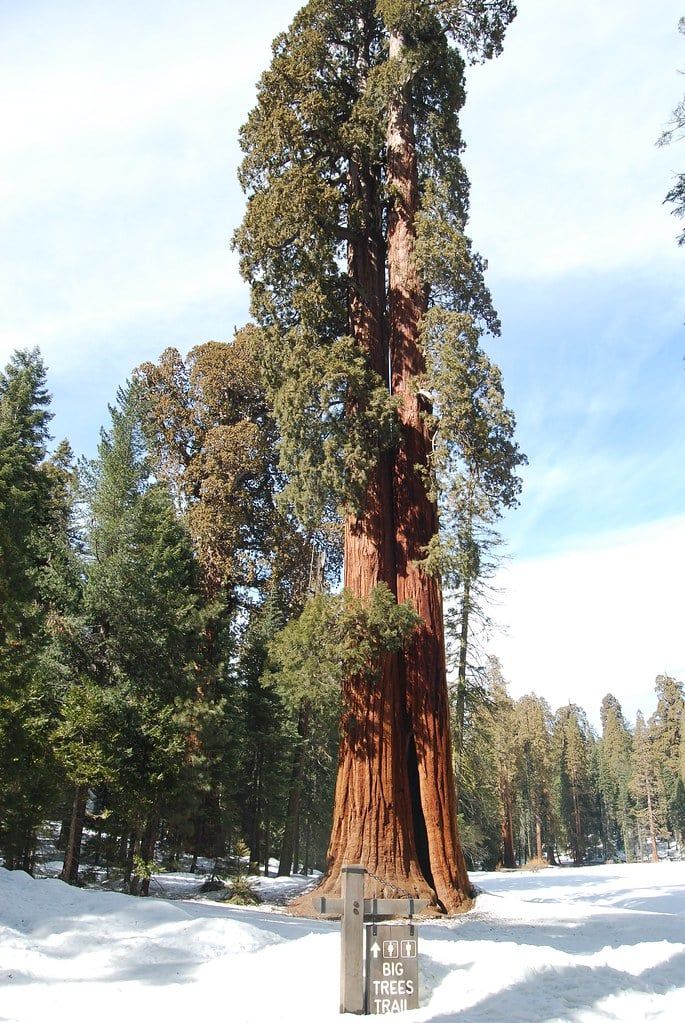
The largest living thing on Earth by volume stands in snow all winter, and the short path down to it is usually packed down by foot traffic — regular boots plus microspikes are enough for most conditions. In winter you park at the small Sherman Tree trailhead lot or at Giant Forest Museum, since the big summer lot closes. Go early or in the last hour of daylight for the tree more or less to yourself. The red trunk against fresh snow is the shot everyone wants.
Congress Trail
This 2-mile loop past the President Tree and the House and Senate groves is the premier snowshoe route in the Giant Forest. Packed sections near the Sherman Tree turn icy; deeper snow waits a quarter mile out, where the crowds vanish. If the snow is fresh, this is where you put the snowshoes on. Alta Trail branches off for anyone wanting a longer route.
Big Trees Trail
The easiest snow walk in the park: a flat, roughly 1.2-mile loop around Round Meadow, starting at the Giant Forest Museum parking lot. It works in plain boots on packed days and in snowshoes after fresh snow, and the boardwalk sections give you open sightlines across the meadow to the grove. Use this trail as your condition gauge — what its surface looks like is what everything else looks like.
Crescent Meadow Road to Tunnel Log
With the road closed to cars, Crescent Meadow Road becomes a quiet, flat ski and snowshoe lane. About a mile in you reach Tunnel Log, the giant sequoia that fell in 1937 and had a tunnel cut through its 275-foot trunk; in winter you walk up to it and through it, no ticket line. The Parker Group stands roughly 0.2 miles on. The whole outing feels like having the backcountry without the effort.
Moro Rock
The stone stairway — about 400 steps up a 6,725-foot granite dome — holds snow and ice on exposed sections all winter, and the drive up is closed anyway, so reaching it means the walk along Crescent Meadow Road first. Treat the summit as a mountaineering decision, not a hike: microspikes and trekking poles minimum, real winter experience preferred, and a genuine willingness to turn around. In the right conditions the view over the snow-covered Great Western Divide is the payoff.
Snowplay at Wolverton
Wolverton Meadow, about 2 miles from the Sherman Tree, is Sequoia's designated sledding and snow-play zone — the spot for families with kids who've had enough of looking at trees. Bring or rent a sled; areas close when conditions get unsafe, so check at the museum. Kings Canyon's Big Stump and Columbine, near Grant Grove, are the equivalents on that side.
Ranger-led snowshoe walks
Rangers lead free guided snowshoe walks in winter, and they're the best deal in the park — gear guidance, grove ecology and a route chosen for that day's snow, at no cost. Snowshoe and sled rentals are available at the Grant Grove and Lodgepole markets when open; confirm current status before counting on them.
Giant Forest Museum
The museum is the indoor warm-up stop and the park's conditions desk in one — the rangers here will tell you what the trails actually look like today, which beats any forecast app. The exhibits on sequoia ecology are worth twenty minutes, and the parking lot doubles as the winter base for Big Trees Trail.
The Foothills: a second season in one day
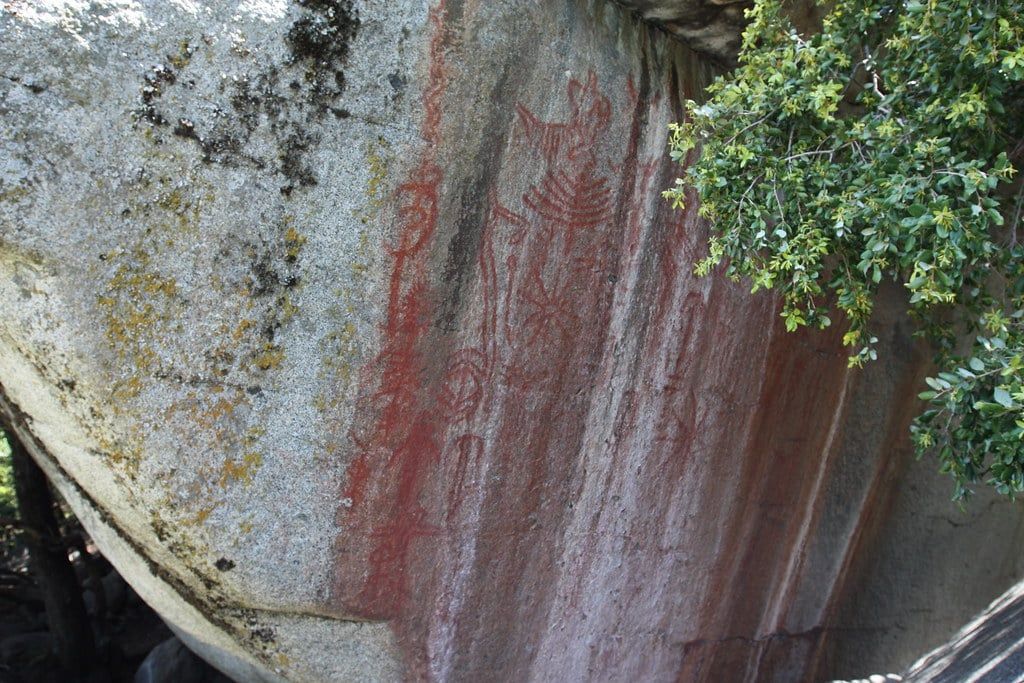
Down below the snow line, the foothills stay green and river-run all winter, and the drive in from Ash Mountain passes the best of it: Tunnel Rock on the highway shoulder and the pictographs at Hospital Rock, right on the Kaweah River. Rain day in the groves? The foothills are your backup plan, and they're often dry when the Giant Forest is buried.
Winter photography
Two shots define a winter Sequoia trip: red sequoia bark against white snow in the Giant Forest, and sunset from Beetle Rock, a short walk from the museum, where the Great Western Divide catches the last light. The Amphitheater Point pullout on the drive up gives the same divide from the road. Shoot early — winter light is low and golden most of the afternoon, and it's gone by 5.
A One-Day Winter Itinerary (and How Many Days You Actually Need)
One well-run day covers the winter highlights; the honest question is whether your schedule can survive a storm. Here's the day, starting from Three Rivers.
7:30 a.m. — Breakfast in Three Rivers, chains in the trunk, full tank. Call the road conditions line before you leave cell range: (559) 565-3341, press 1 then 1.
8:30 a.m. — Through Ash Mountain and up the Generals Highway, stopping at Tunnel Rock, the Hospital Rock pictographs and the Amphitheater Point pullout. The Four Guardsmen — four sequoias standing over the road — mark your arrival at grove elevation. Ice likes the shaded bends and bridges, even when the road looks clear.
10 a.m. — Park at the Sherman Tree winter lot and walk down to the General Sherman Tree. Continue onto the Congress Trail for the President Tree and the House and Senate groves; add the Alta Trail extension if the snow is firm. A combined Sherman–Congress–Alta–Big Trees day runs about 4.0 miles with roughly 370 feet of elevation change — a real but manageable winter day. Eat the lunch you packed; there's nowhere to buy one up here.
2 p.m. — Big Trees Trail loop from the museum lot, then the museum itself to warm up and quiz the rangers on tomorrow's conditions. On holiday weekends the shuttle can spare you the driving between lots.
Late afternoon — Sunset at Beetle Rock, or a shorter walk up Crescent Meadow Road toward Tunnel Log if your legs have anything left, then down the hill for dinner in Three Rivers.
How many days? One covers it if the weather cooperates. Two or three buys you a spare day if a storm eats your first — the single smartest upgrade to a winter trip. For more ideas across a longer stay, our sample park itinerary scales up.
A second day points at Kings Canyon's Grant Grove and the General Grant Tree, the second-largest tree in the world and the Nation's Christmas Tree. On the second Sunday of December, rangers, carolers and visitors walk in for the Trek to the Tree — a wreath-laying ceremony honoring the armed forces, in a tradition more than a century old. Getting there from Sequoia in winter means the long way around, since the connecting highway is gated; allow 2–3 hours of driving between entrance stations even when the full route is open. For comparing the two parks, read our Kings Canyon vs Sequoia breakdown.
Where to Stay, Where to Eat & Getting There
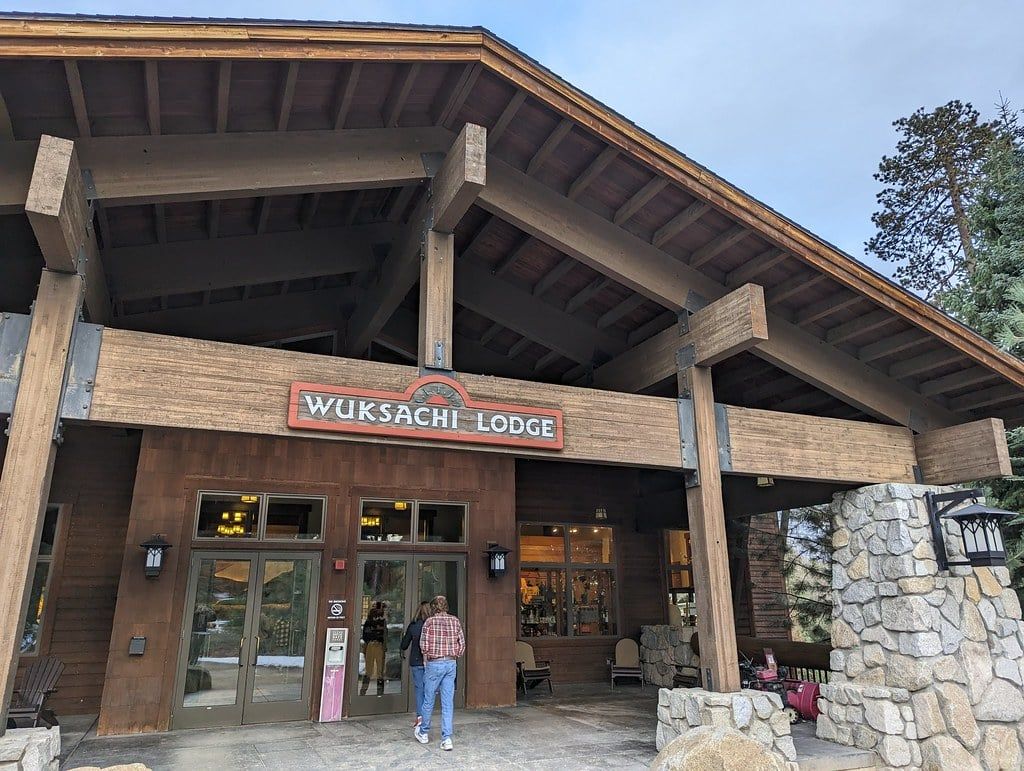
Three Rivers is the best winter base, full stop. It sits about 10 minutes from the Ash Mountain entrance, has restaurants (Quesadilla Gorilla, Sierra Subs and Sage Roots among them), coffee, and the chain-rental shops you may need. Visalia has the most hotels and amenities but adds 45 minutes each way in winter conditions. Wuksachi Lodge, the in-park lodge near the Giant Forest, is listed as open year-round, but winter operations vary — call to verify current-season status before you build a trip around it.
| Three Rivers | Visalia | |
|---|---|---|
| Drive to Ash Mountain entrance | About 10 minutes | About 45 minutes |
| Lodging | Smaller selection, cheaper in winter | Most hotels in the region |
| Food and coffee | A handful of good local spots | Full range of restaurants |
| Best for | Maximizing time in the park | Comfort and a night out |
Winter camping is limited to two campgrounds: Potwisha, low elevation near Ash Mountain, and Azalea at Grant Grove Village. Both are cold-weather propositions — a four-season setup, not a three-season tent — and Potwisha at least spares you the snow, sitting below the snow line. Hotel rooms are cheaper and far more available than in the June–September rush either way.
Food strategy is simple: bring your lunch and snacks into the park every day, because in-park dining is limited and unpredictable in winter, and eat dinner in Three Rivers. The packed lunch is a Sequoia winter tradition for good reason.
Getting there: the closest airport is Fresno Yosemite International, about an hour and 45 minutes' drive from the Sequoia entrance. From the Los Angeles area it's 225 miles and roughly 4 hours to Ash Mountain — our drive guide from LA covers routes and stops — and full transport options and directions are worth reviewing before a winter trip, when the mountain roads deserve respect.
What to Pack for a Winter Day in Sequoia
Pack for three problems: slipping, getting wet, and running out of daylight. Solve those and the cold takes care of itself.
Traction. The decision happens at the trailhead. If the packed snow near the parking lot and on Big Trees Trail is firm or icy, microspikes are non-negotiable. If it's soft and deep, snowshoes earn their rental fee — otherwise you'll posthole to your knee for two miles. Deep fresh snow plus an icy base underneath is the worst case; that's a snowshoe day, full stop.
Waterproofing. The real soaked-feet culprit isn't falling snow — it's snowmelt dropping off the branches as the sun climbs. A waterproof shell jacket, waterproof gloves, wool socks and snow boots keep the day pleasant. Cotton anything is a mistake here.
Layers. Thermal base layer, insulating mid-layer, shell on top. You'll shed the mid-layer on the climb up to the Sherman Tree and want it back within minutes of standing still.
- Headlamp — winter daylight ends by 5 p.m.
- Portable battery — electronics drain fast in the cold
- Hand warmers, hat, sunglasses and sunscreen for snow glare
- Water, snacks and a small emergency kit
- Chains or cables in the car, November through March
On the car kit: add a blanket and extra food, and know how to install your chains before the trip, not during it. If a storm closes the highway while you're up top, that kit is the difference between an inconvenience and a bad night.
Frequently asked questions
Is Sequoia National Park worth visiting in winter?
Yes, if you're flexible. You get snow-draped sequoias, a fraction of the summer crowds (most of the parks' roughly two million annual visits come June–September) and cheaper lodging, in exchange for road closures, cold temperatures and chain requirements.
Do I need tire chains to drive to Sequoia in winter?
Chains or cables must be carried by all vehicles, including 4WD and AWD, whenever chain controls are active — typically November through March. When requirements are in effect the speed limit drops to 25 mph. Rentals near the entrance run about $40–65 per day.
Does it snow in Sequoia National Park — and when?
Yes. The Giant Forest averages roughly 37 inches of snow December through March, with daytime temperatures in the 20s to low 40s°F. The best odds of fresh snow on the trees run January through early April, while the foothills below mostly get rain.
Is the General Sherman Tree open in winter?
Yes. The large summer parking lot closes, so use the small Sherman Tree winter trailhead lot or the Giant Forest Museum lot. The short path is usually packed down, so boots plus microspikes work for most visitors.
Can you climb Moro Rock in winter?
Only with the right gear and conditions. The road is closed to cars, so it's a roughly 2-mile round-trip walk up Crescent Meadow Road first, then stairs that hold snow and ice on exposed sections. Bring microspikes and poles, and be willing to turn around.
Can you visit Sequoia and Kings Canyon in the same day in winter?
Not easily. The Generals Highway between the parks is gated closed all winter, so a same-day double means a long drive around, and even when the full route is open you should allow 2–3 hours between entrance stations. Pick one area per day.
Where can I rent snowshoes, sleds, or chains near Sequoia?
Snowshoe and sled rentals are available at the Grant Grove and Lodgepole markets when open. Tire chains can be bought or rented in Three Rivers. Check current status before relying on any in-park rental in winter.
Are the park shuttles running in winter?
Only on holiday weekends. Check the NPS transit page for exact running dates, and plan to drive yourself the rest of the season.