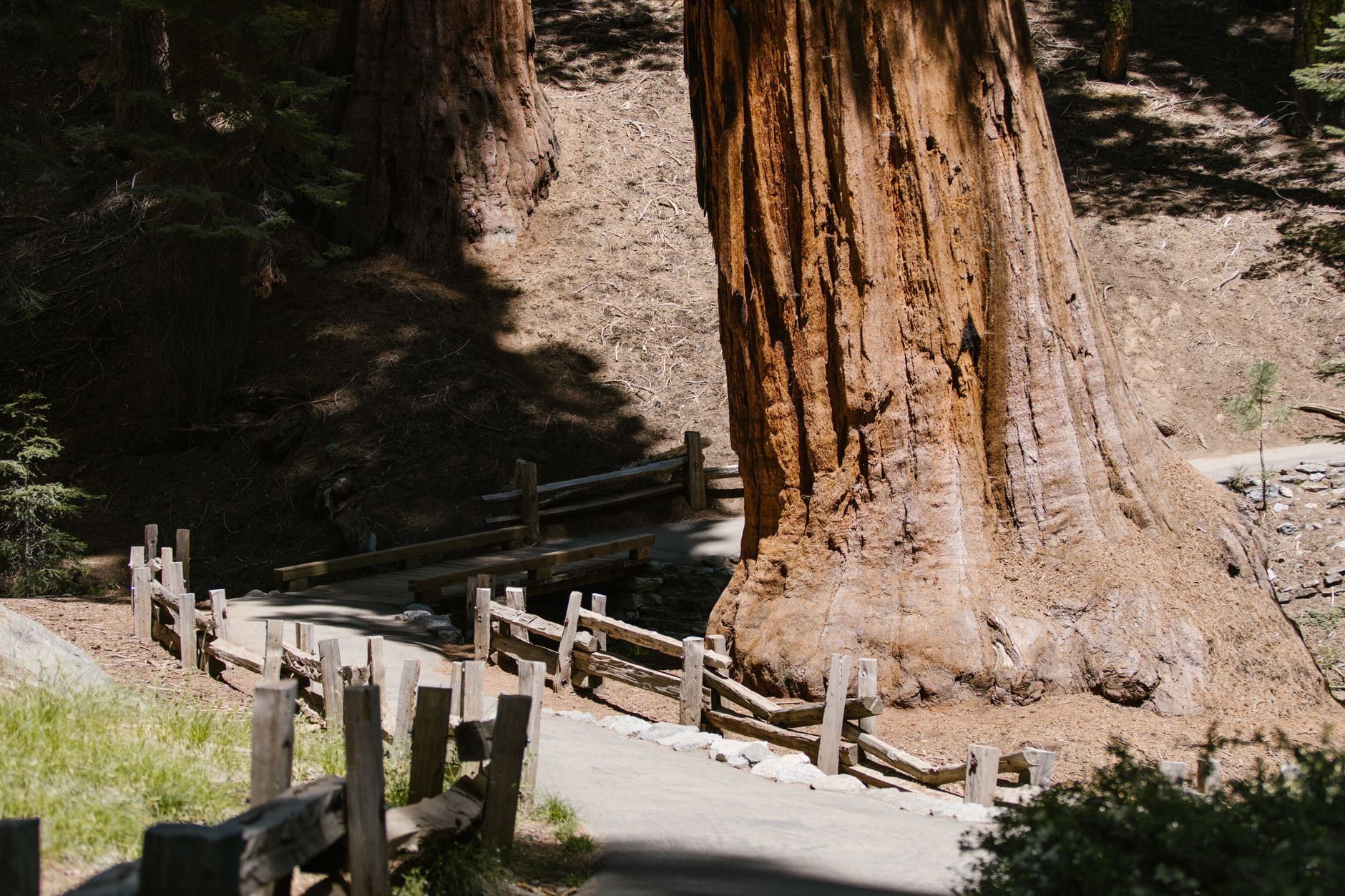
Sequoia National Park doesn't have one best season — it has a best season per priority. The groves sit at 6,000-plus feet, the Foothills bake at 1,500, and the difference between the two decides your trip as much as the month you pick. Here's the short version, then the detail.
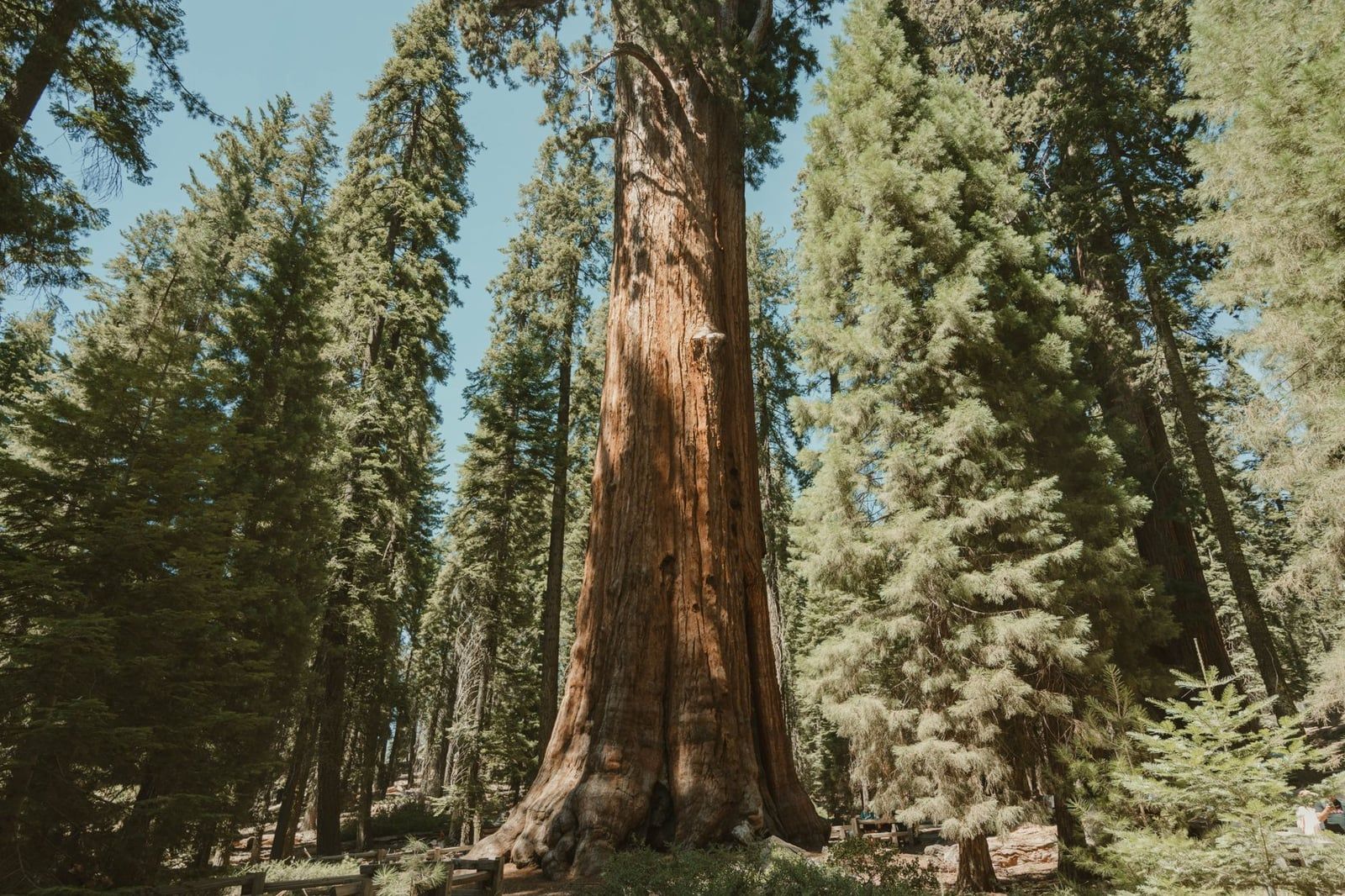
The Short Answer: When Is the Best Time to Visit Sequoia National Park?
Book early September. Average daily visitation falls from 6,285 in July to 4,820 once Labor Day passes, grove temperatures still reach about 71°F, and every road, shuttle, and cave tour keeps running through the month. You get summer's full access with three-quarters of summer's crowds. If September doesn't work, late June is the shoulder-season runner-up: warm, everything open, and the July rush hasn't arrived.
Your other windows depend on what you're after. Warm weather and total access run late June through September. Solitude runs November through April — December is the quietest month in the park, and it isn't close. And unlike Yosemite or Glacier, you don't need to fight a reservation system: the park is open 24 hours a day, 365 days a year, and no timed-entry permit is currently required. You just show up, pay at the gate, and go.
The worst windows are specific, not whole months. Holiday weekends pack the groves in every season. Mid-July through August, the parking lots at the General Sherman Tree and Moro Rock fill by 9 a.m., and midday at the icons becomes a shuffle. For smoke-sensitive travelers, wildfire season runs roughly July through October — if you're planning around air quality, May and June give you warm weather with the lowest smoke risk.
If you already know your priority, the pick is quick:
- Warm weather and full access: late June–September
- Fewest crowds: November–April, with December the quietest month
- Lowest prices: November–April, outside the holiday weeks
- Families with school-age kids: late June–mid-August, avoiding holiday weekends
- Snow sports: January–February, when the snowpack is deepest
- Hiking: July–September, with late September the no-compromise pick
Sequoia Weather and Crowds, Month by Month
One park, two climates. Elevation in Sequoia and Kings Canyon runs from 1,370 feet in the Foothills to 14,494 feet on Mount Whitney, so the same day can swing 20–30°F between the entrance and the sequoia groves. In July, the Foothills average a high of 97°F while the Giant Forest tops out around 76°F. Both numbers are real at the same moment, an hour's drive apart.
These two tables are the article's core decision tool — grove temperatures, snowfall, and average daily visitation in one view. Where a cell is blank, long-term averages weren't available; the patterns around it still hold.
| Month | Grove high/low (°F) | Snowfall at grove level | Avg daily visitors |
|---|---|---|---|
| January | 41 / 17 | ~37 in | 2,100 |
| February | — | 38 in | 1,935 |
| March | — | 40 in | — |
| April | — | — | — |
| May | — | — | 4,335 |
| June | — | — | — |
| Month | Grove high/low (°F) | Snowfall at grove level | Avg daily visitors |
|---|---|---|---|
| July | 76 / 44 | 0 in | 6,285 |
| August | — | — | 6,135 |
| September | 71 / — | 0 in | 4,820 |
| October | 61 / — | — | 3,810 |
| November | — | — | — |
| December | — | 29 in | 1,455 |
Three rules for reading them. First, grove nights are cold even in summer — July's average low is 44°F, so pack a real layer for any evening at Giant Forest. Second, when the Foothills hit the high 90s in July and August, the correct move is upslope: sleep and hike at grove elevation, not in Three Rivers. Third, December through March runs at roughly a quarter of July's crowds, and that ratio holds whether you're at the Sherman Tree or the visitor center.
These are long-term averages, not forecasts. The twin parks drew about 2 million recreation visits in 2023, and any given month can run hot. Check the NPS current-conditions page before you lock dates — it carries road status, fire and smoke updates, and any fee changes.
Spring at Sequoia (April–Early June): Wildflowers, Waterfalls, and Lingering Snow
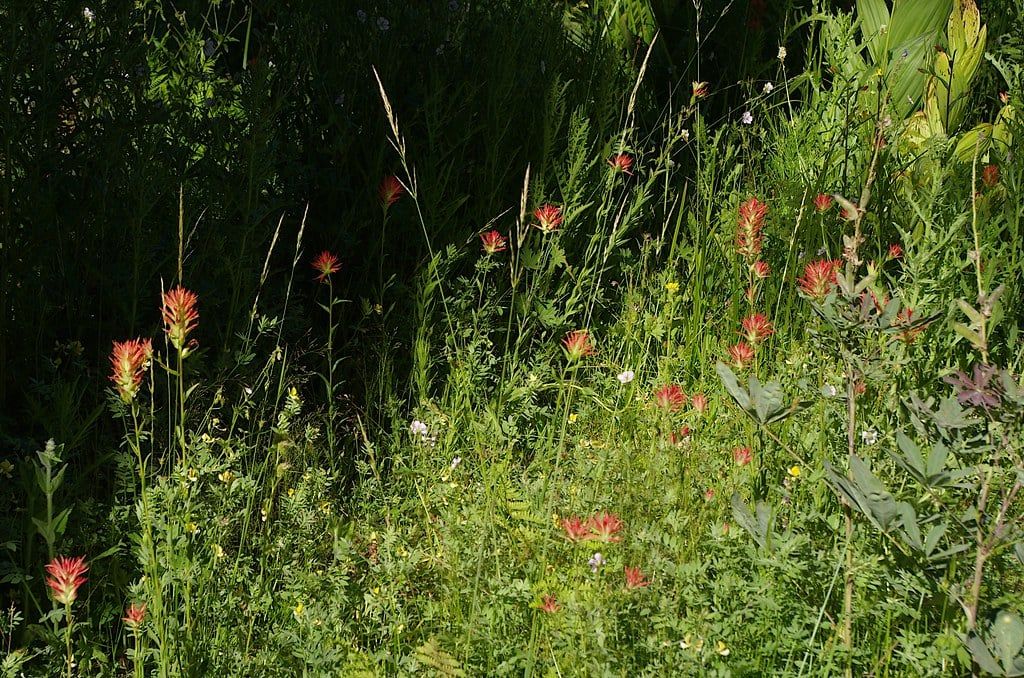
Spring splits the park in two. Down in the Foothills, April means green meadows and wildflower blooms, with daytime temperatures warm enough for shorts. Up at 6,000 feet, the groves can still take snow into May, and the plows are only just catching up.
The road calendar decides spring trips, so here it is in one place. The Generals Highway section between Lodgepole and Grant Grove stays unplowed until the third Friday of March, and storms can shut it again after that. The road into Cedar Grove, on the Kings Canyon side, typically opens the last weekend of April. Mineral King Road opens about a week before Memorial Day. Crystal Cave tours begin in mid-May. If a spring itinerary depends on any of these, build in a buffer day.
April is also waterfall season. Rivers and creeks run fast, cold, and high with snowmelt — drowning is the most common cause of fatalities in the park, and spring currents can run at roughly double their normal speed. Keep kids well back from the banks, and skip the swimming until late summer.
Choose spring if you're chasing flowers, waterfalls, or elbow room and can accept that the groves may be chilly and half-open. May averages about 4,335 visitors a day — a third less than July — and the Foothills are at their best. If your whole trip is about walking among big trees in T-shirt weather, wait for late June.
Summer at Sequoia (Late June–August): Full Access and Peak Crowds
Summer is the everything-open season. Every road, all 14 campgrounds, the lodges, the cave tours, and the full ranger-program schedule are running. The groves sit in the mid-70s by day while the Foothills bake — July averages 97°F down low, and lower elevations can top 100°F. The tradeoff is people: July averages about 6,285 visitors a day, with August right behind at 6,135.
By 9 a.m. on a July or August day, the parking lots at the General Sherman Tree and Moro Rock are full. The fix is the free in-park shuttle, which connects Giant Forest, Moro Rock, Wuksachi Lodge, and the campgrounds; there's also a paid Sequoia Shuttle from Visalia and Three Rivers that runs from late May to early-to-mid September (about $20 round trip from Visalia). If you'd rather drive, start before 9, go on a weekday, or stay in-park so you're first through the gate.
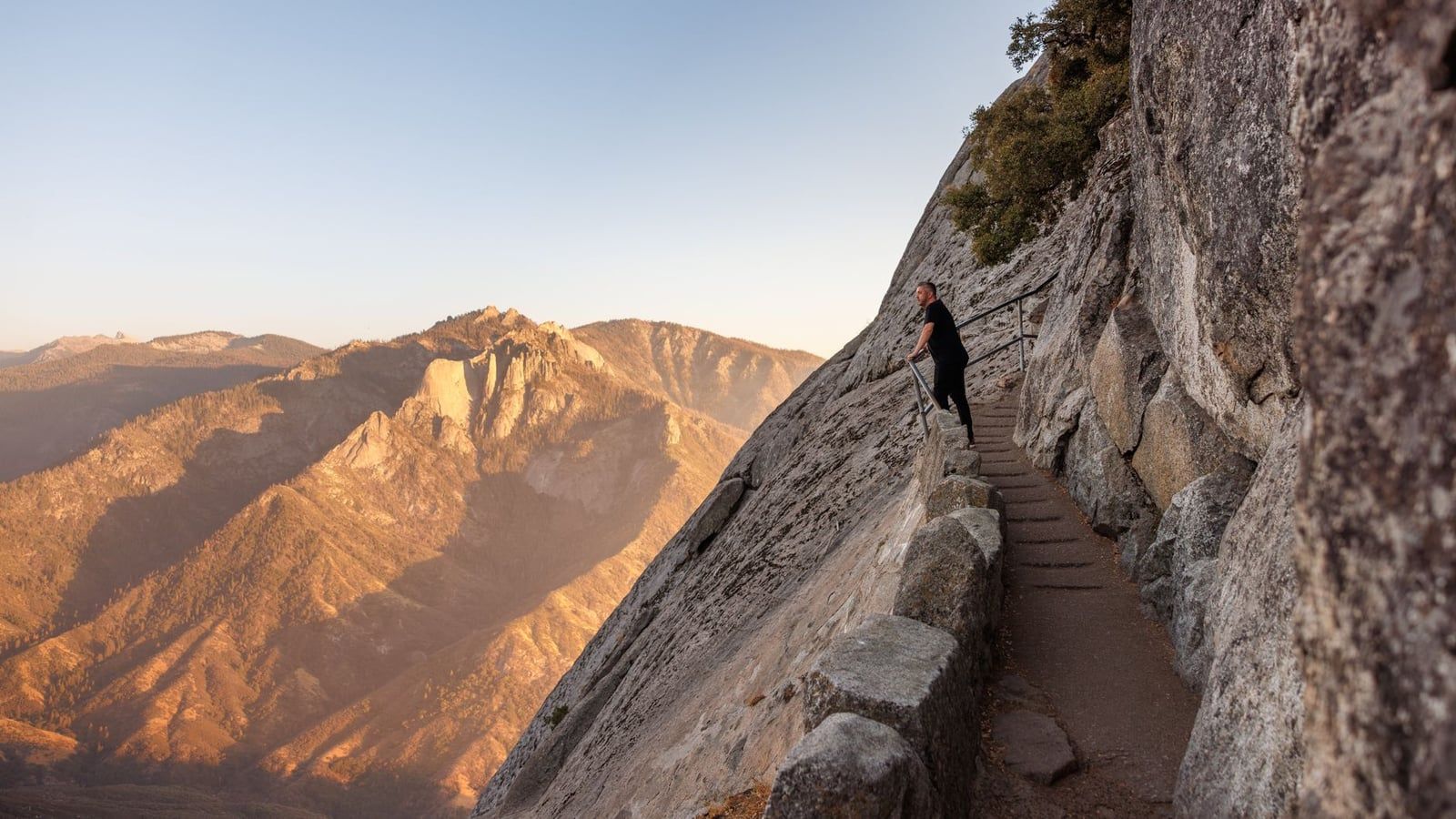
Two more crowd dodges. Enter via Highway 180 through the Big Stump entrance instead of Ash Mountain on 198 — the Generals Highway's hairpins east of Ash Mountain are slow and RV-hostile anyway. And spend a day in the quieter corners: Mineral King, Cedar Grove, and Hume Lake see a fraction of Giant Forest's traffic, and trails like Little Baldy and Beetle Rock get you away from the shuttle crowds without committing to a long route. Our things-to-do guide covers these in detail.
Fire season starts here too. Campfire and smoking bans typically begin around the July 4th weekend, and wildfire smoke risk climbs through August into October. Summer in-park lodging and campsites sell out months in advance — book as early as you can, and reserve standard campsites ($32 a night) on Recreation.gov up to six months out.
Fall at Sequoia (September–October): The Best Balance of Weather and Quiet
Fall is the payoff. After Labor Day, average daily visitation drops from 6,285 to 4,820 in September and 3,810 in October — while every road stays open through September, the shuttles run, and Crystal Cave tours continue into late September. Nothing you came for has closed. The crowds have simply gone home.
Each month steps down about 10°F: September grove highs average 71°F, October about 61°F, with dry weather holding through October and the first grove snow typically arriving late October into early November. Then the seasonal shutdowns start. Mineral King Road closes the last week of October. Cedar Grove generally stays reachable into early-to-mid November. The Generals Highway connection between Sequoia and Kings Canyon usually closes sometime in November. September is the month with zero compromises; October trades warmth for even fewer people.
Don't come expecting New England color — giant sequoias are evergreen, and they stay green year-round. The fall color lives at lower elevations: dogwoods, maples, and cottonwoods around Cedar Grove and Roaring River Falls peak from October into early November, and it's genuinely good. Wildlife shifts into pre-winter mode too, with bears foraging hard and deer active through the day. If you're pairing the parks, our Kings Canyon versus Sequoia comparison will help you split the time.
Winter at Sequoia (November–March): Snow Play and True Solitude
The park never closes, but winter rewrites the map. The General Sherman Tree area, Wolverton, and the Foothills stay open and plowed; Wuksachi Lodge runs all winter; and the Potwisha and Azalea campgrounds stay available. What shuts: Cedar Grove, Mineral King, Crystal Cave, and the Lodgepole–Grant Grove stretch of highway, which goes unplowed from January through March.
The chain law is blunt: California requires ALL vehicles — 4WD and AWD included — to carry tire chains or cables when entering chain-control zones. Controls can activate at any time but are most common November through March, including after spring storms. Carry them regardless of your drivetrain, and check road conditions (559-565-3341) before driving up. February averages 38 inches of snow at grove level and March 40, so this isn't a technicality.
What winter gives back is space and snow. December averages about 1,455 visitors a day — the year's lowest — with January at 2,100 and February at 1,935. Photographers get snow-draped groves and a nearly empty Moro Rock viewpoint. Families get the Wolverton Snowplay Area for sledding. January and February are the best months for snowshoeing and cross-country skiing, and ranger-guided snowshoe walks run from mid-January through March. A free winter shuttle connects Giant Forest Museum and Wuksachi Lodge with stops at the Sherman Tree, Lodgepole, and Wolverton — there's no equivalent in Kings Canyon. Our winter guide covers the full cold-weather toolkit.
If snow isn't the point, winter still works. The Foothills average daytime highs of 57–61°F from December through February — hikeable in a light jacket while the groves sit at 42–44°F under several feet of snow. Two Sequoias in one trip: flowers-and-short-sleeves in the morning, snowmen by afternoon.
Best Time to Visit Sequoia by Activity
Know what you're coming to do? Here's the window for each.
Hiking
July through September, when snow has melted and trails are dry — late September is the no-compromise pick, combining dry routes with thinned crowds. Before early July, high-elevation trails can still hold snow. Our best-hikes guide sorts routes by season and difficulty.
Camping
All 14 campgrounds are open by late June, and standard sites run about $32 a night on Recreation.gov, reservable up to six months ahead — summer weekends go fast. Only Azalea and Potwisha stay open through winter. For Foothills camping, late spring and fall beat the 90°F summer heat.
Families
School summer break, late June through mid-August: warm grove weather, shuttles running, ranger programs at full schedule. Avoid holiday weekends, when even the sledding hills feel like a theme park. Fourth-graders get the whole family in free for a year through Every Kid Outdoors.
Wildlife
Late spring into early summer, at dawn and dusk. Black bears, marmots, mule deer, and bighorn sheep are all most active then — and some bears stay active through winter, so food storage rules apply in every season.
Scenic drives
The Generals Highway is best from late spring through mid-fall, when the full route is plowed. In July and August, congestion pushes you toward the shuttle or a pre-9 a.m. start; in fall you can drive it at leisure with the road to yourself.
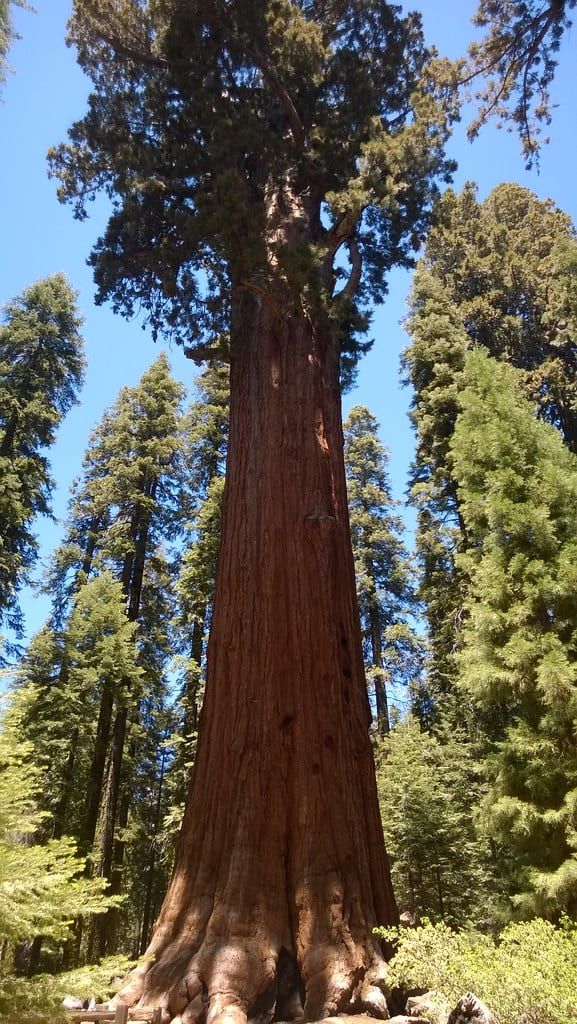
General Sherman Tree and Moro Rock
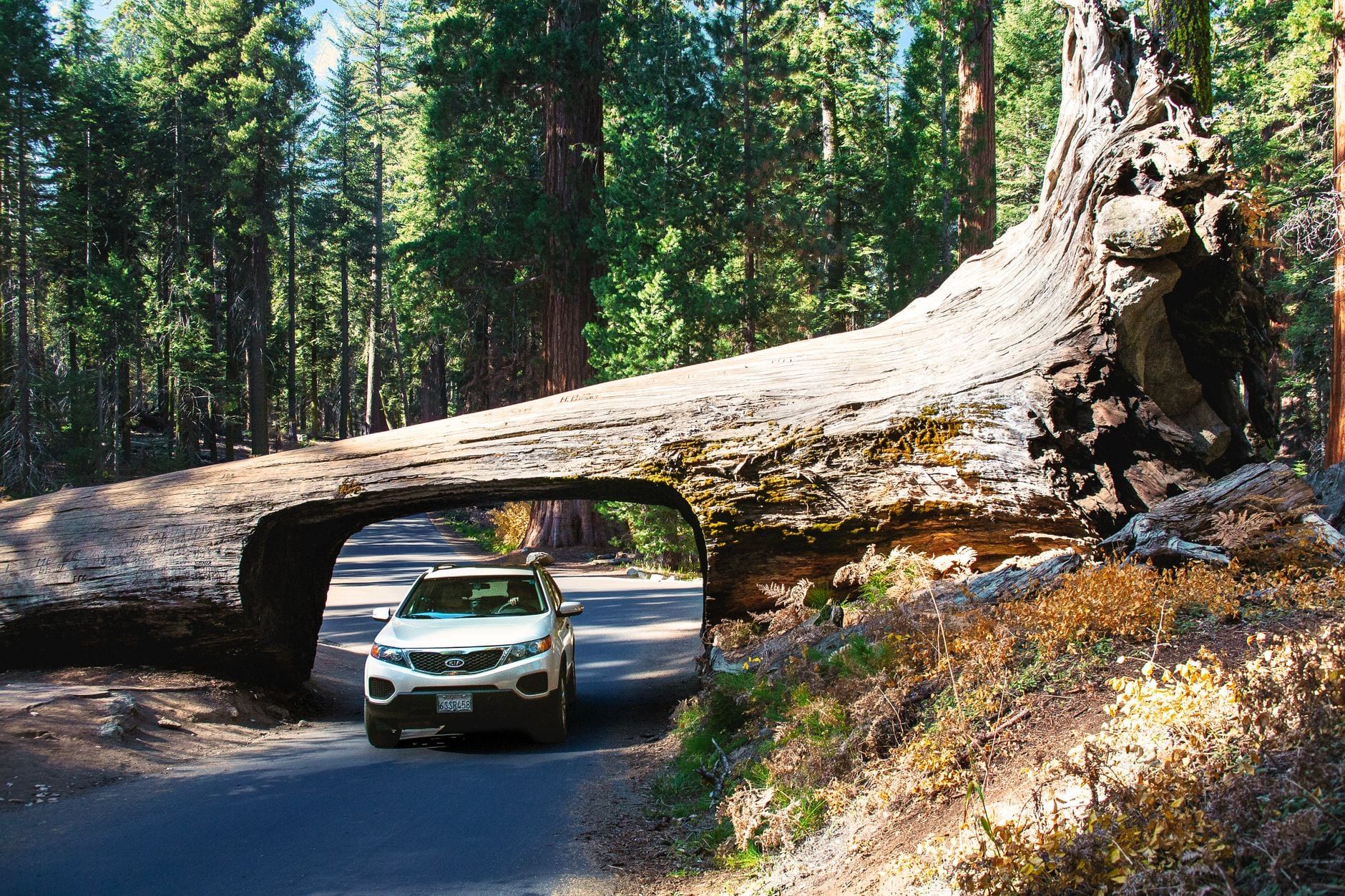
The Sherman Tree is easiest from late spring through early fall; in winter you'll share it with almost nobody, but the approach is snowy. Moro Rock's stair trail closes in winter due to ice, and in summer its parking is shuttle-only during the day — after about 6 p.m. you can drive up yourself, which is the sunset workaround.
Snow sports
January and February, when the snowpack is deepest and the guided snowshoe walks (mid-January through March) are running. Bring or rent snowshoes and expect the Lodgepole–Grant Grove road to be closed to cars.
Seasonal Events, Fees, and Booking Logistics
Entry costs $35 per private vehicle for up to 7 days — and that pass also covers Kings Canyon and the Hume Lake district. A Sequoia & Kings Canyon annual pass is $70, the America the Beautiful national-parks pass is $80, and non-U.S. residents 16 and older pay an additional $100 per person unless they hold an annual pass. Several ranking articles still quote a $20 fee; that's years out of date. Entrances are cashless, so bring a card — full details are on our hours and fees page.
No entrance reservation or timed-entry permit is currently required. That could change — peer parks have added reservation systems in recent years — so confirm on the NPS site before you book flights.
Three events are worth timing a trip around. The Dark Sky Festival lands in September, ranger-guided snowshoe walks run mid-January through March, and National Park Week arrives in April. Free entrance days also cluster through the year — in 2026 they fall on February 16, May 25, June 14, July 3–5, August 25, September 17, October 27, and November 11 — but the list changes annually, so verify the current schedule.
Booking math is simple. Summer in-park lodging and campsites sell out months ahead, and Wuksachi Lodge is the only main in-park lodge open through winter. From November to April, rates drop and availability opens up — outside the holiday weeks, winter is the budget season. If you're sketching the trip itself, our Sequoia itinerary guide breaks down how to use the days you've booked.
FAQs About the Best Time to Visit Sequoia National Park
What is the best month to visit Sequoia National Park?
September. Crowds drop from about 6,285 visitors a day in July to 4,820 after Labor Day, grove highs average 71°F, and every park road stays open through the month. Late June is the runner-up if September doesn't fit your calendar.
When does it snow in Sequoia National Park?
Snow falls at the higher elevations from roughly late October through April, sometimes into May. February and March are the snowiest months at grove level, averaging about 38 and 40 inches respectively, and the groves can hold a snowpack from late November into spring.
Do I need tire chains to visit Sequoia in winter?
Often, yes. Chain controls are most common November through March, and California law requires all vehicles — including 4WD and AWD — to carry chains or cables in chain-control zones. Rent or buy them before the drive up.
Do I need a reservation to enter Sequoia National Park?
No timed-entry reservation is currently required. Entry costs $35 per private vehicle for up to 7 days, payable by card only at the entrance stations. Check the NPS site each year in case policy changes.
Is May a good time to visit Sequoia National Park?
Usually yes, with caveats. The Foothills are green and blooming, crowds average about 4,335 a day (versus 6,285 in July), and river flows peak. But the groves can still see snow, Mineral King Road doesn't open until about a week before Memorial Day, and Crystal Cave tours only start in mid-May.
When should you avoid visiting Sequoia National Park?
If you hate crowds: holiday weekends, and mid-July through August at midday, when the Sherman Tree and Moro Rock lots fill by 9 a.m. If wildfire smoke bothers you: July through October. If you won't carry chains or accept road closures: December through March at high elevation.
How many days do you need in Sequoia National Park?
Two days covers the highlights — the General Sherman Tree, the Congress Trail, Moro Rock, and the Generals Highway drive. Two to three days is the sweet spot; add a day or two for Kings Canyon, Crystal Cave, or a backcountry hike.